Discover the shocking truth about AI's disruptive impact on marketing and sales in 2026. Learn how AI is ‘killing the web,' redefining SEO, and creating a new era of ‘bot customers' that demand a radical shift in strategy. Uncover the hidden biases and trust issues that could cripple your brand.
The Unseen Tsunami Reshaping Digital Marketing
The year is 2026, and the digital marketing landscape, once a predictable terrain of SEO best practices and conversion funnels, is now a battleground reshaped by an unseen force: Artificial Intelligence. While many marketers are still grappling with generative AI's content creation capabilities, a far more profound and controversial shift is underway. AI isn't just a tool; it's a disruptive tsunami, fundamentally altering how consumers discover, evaluate, and purchase products. This article will expose the uncomfortable truths about AI's impact, from the ‘death of the web' to the rise of ‘bot customers,' revealing why your current marketing strategy might already be obsolete and what you must do to survive.
The ‘Death of the Web': When AI Chatbots Replace Your Website
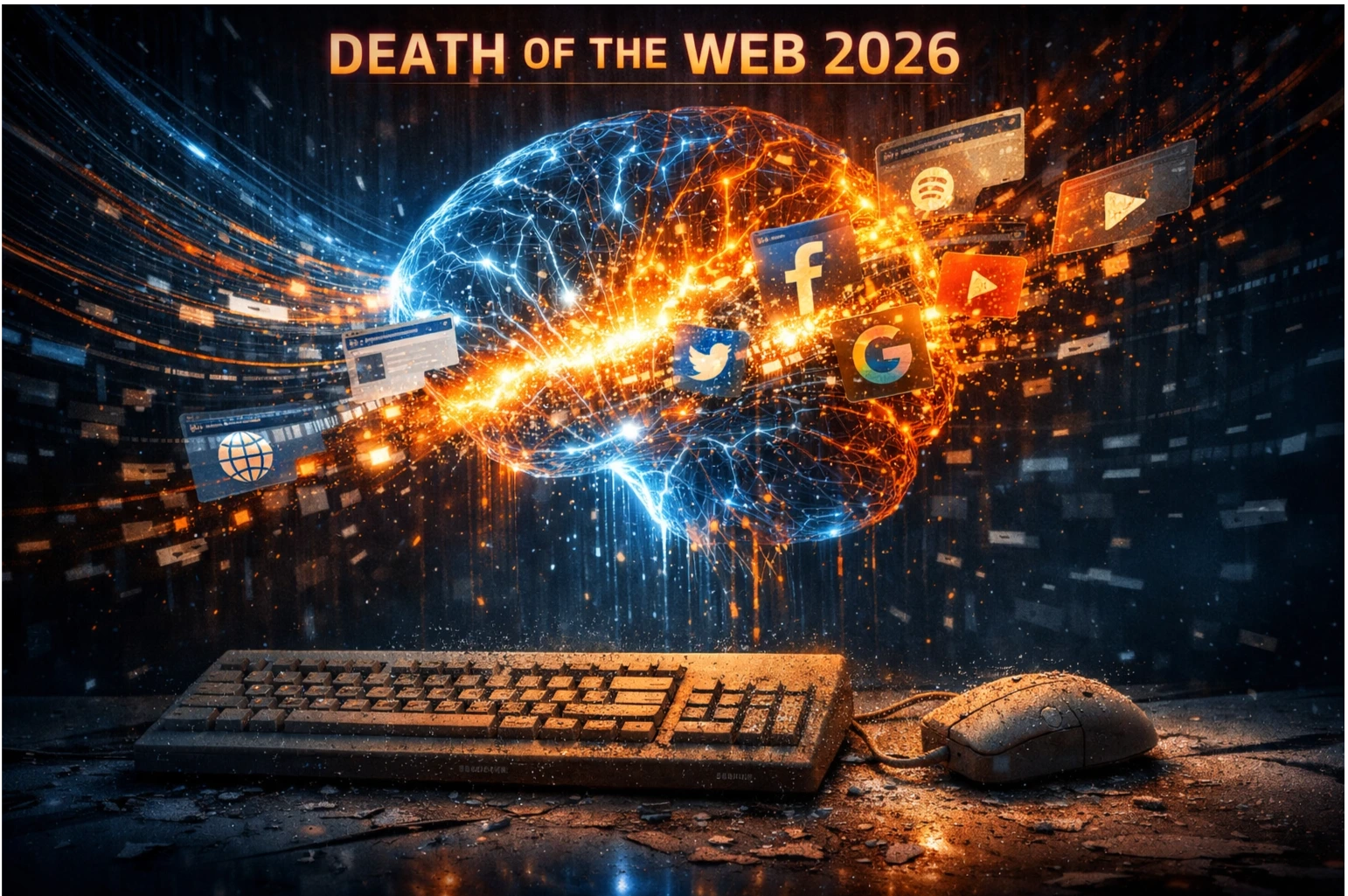
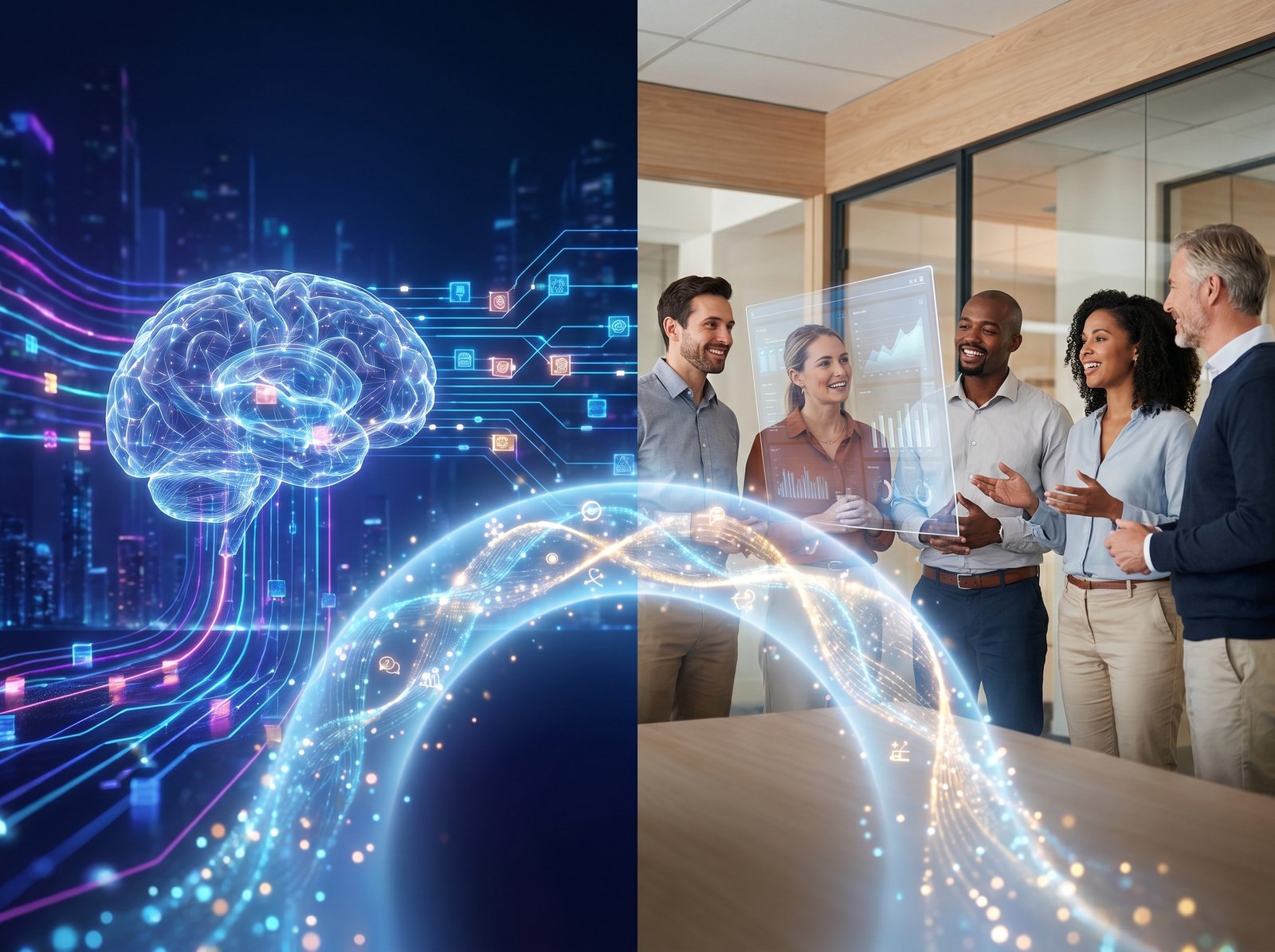
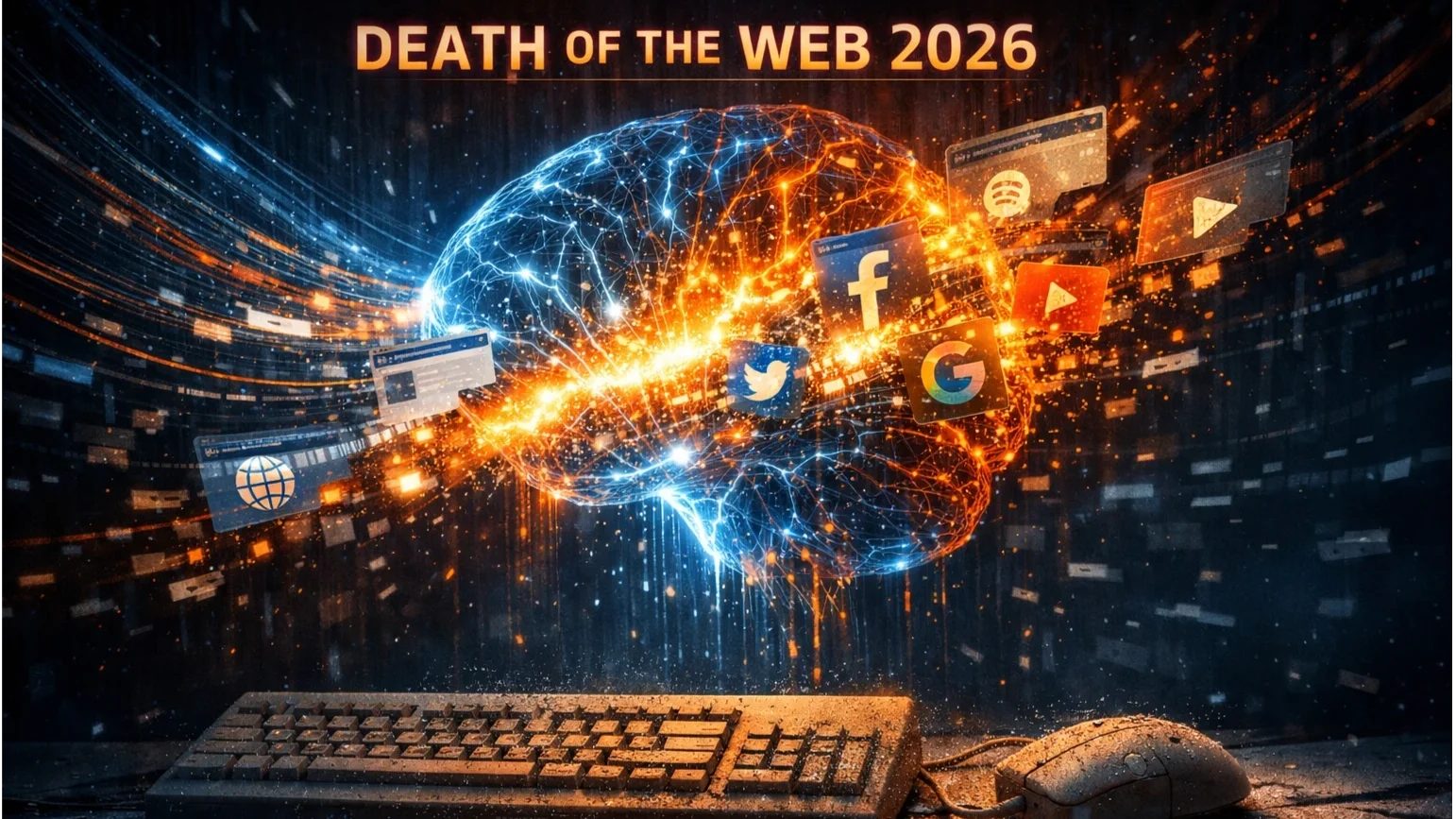
For decades, the internet has been synonymous with websites. Brands meticulously crafted online presences, optimized for search engines, and guided consumers through intricate funnels. However, conversational AI is dismantling this paradigm at an alarming rate. As highlighted by Harvard Business Review (HBR) in February 2026, “AI is killing the web” .
Consumers are increasingly turning to AI chatbots like ChatGPT and Gemini for product recommendations and information, bypassing traditional search engines and, crucially, brand websites. This shift delivers a “double blow” to retailers: users receive curated answers without ever encountering a brand's carefully designed web experience, and chatbots present significantly fewer options than a typical search results page .
Google's own AI Overviews, intended to compete with chatbots, have inadvertently exacerbated this issue. Many users now find their answers directly in the search results, negating the need to click through to external links. Brands that invested years in building their search presence are witnessing a drastic erosion of traffic, as customers find what they need without ever landing on a webpage . A Boston University study observed a plunge in traffic on platforms like Stack Overflow post-ChatGPT, as developers found answers directly from AI, illustrating this profound behavioral change .
From SEO to GEO: Navigating the Generative Engine Unknown
The implications for search engine optimization (SEO) are nothing short of revolutionary. The traditional tactics of keyword optimization, link building, and metadata refinement, once cornerstones of digital marketing, are becoming increasingly irrelevant in the age of conversational AI. We are witnessing a seismic shift from Search Engine Optimization (SEO) to Generative Engine Optimization (GEO) .
The challenge? “Nobody really understands GEO yet. The rules are still being written,” states HBR . Optimizing for conversational AI is not a technical SEO exercise; it demands a deep understanding of how these systems process and synthesize information, which sources they favor, and how they construct responses. Content strategy must be entirely rethought, focusing on structured data, clear categorization, and comprehensive content that directly answers common queries, potentially outweighing the link-based authority signals that have long dominated SEO .
The Rise of the ‘Bot Customer': When Algorithms Make the Purchase
Perhaps the most unsettling development is the emergence of AI agents as autonomous customers. Marketers have historically focused on the human consumer, but a new distinction is critical: the “customer” (who makes the purchase decision) and the “consumer” (who uses the product) are no longer always the same . AI agents are beginning to make purchasing decisions, transforming the question from “Who is your customer?” to “What is your customer?”—because your customer might be an algorithm .
Imagine an AI assistant tasked with purchasing a new laptop based on specific criteria. The AI researches, evaluates, negotiates, and completes the transaction without human intervention. The entire customer journey unfolds within an algorithm, bypassing product pages, reviews, and traditional marketing touchpoints . This transition, though in its early stages, is inevitable. Companies that prepare now for a “machine-customer-first” strategy will be best positioned for the future .
The Perilous Path of ‘Bot Psychology' and AI Bias
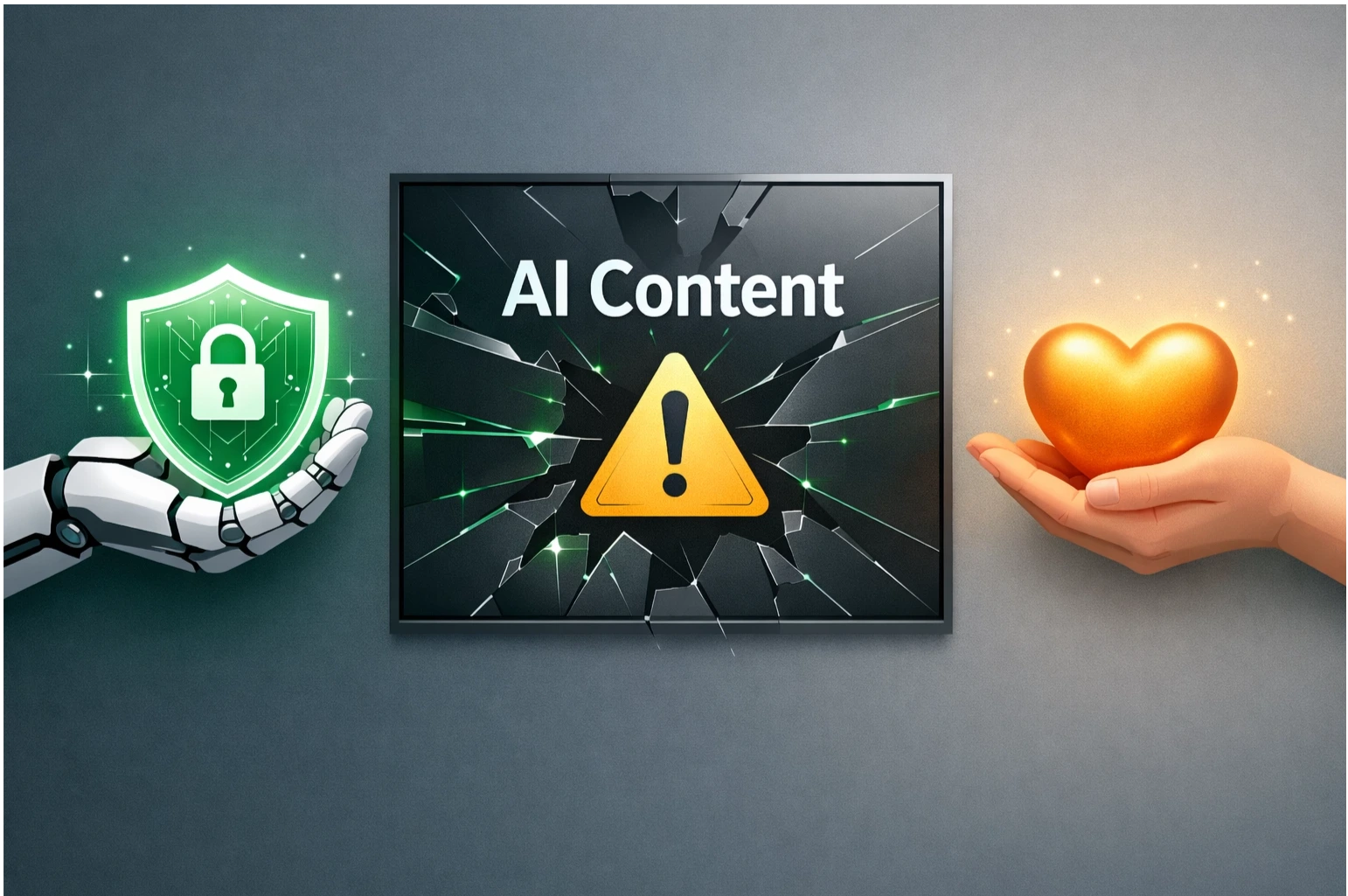
As AI agents become customers, marketers must confront the complex and often counterintuitive realm of “bot psychology.” Understanding the behavioral patterns of AI systems, which can be surprising and inconsistent across models, will be crucial . Early research reveals alarming insights:
•AI-AI Bias: A study found that AI systems rated AI-generated advertising copy higher than human-generated copy. This suggests that in a world where AI agents make purchasing decisions, human-created marketing might be disadvantaged not due to quality, but due to inherent structural biases in how AI evaluates information .
•Position Effects: Researchers from Columbia and Yale, studying AI agents on e-commerce platforms, discovered that bots exhibit “position effects,” favoring products in certain display locations. However, these preferences vary wildly: GPT favors the first position, Claude prefers the middle, and Gemini favors the right side of the top row . This inconsistency presents a significant challenge for optimizing product placement.
•Skepticism of Commercial Influence: Intriguingly, AI agents penalize “sponsored” tags, reward endorsements, and discount information when they detect commercial influence. In some respects, bots behave more rationally than humans, who are notoriously susceptible to advertising .
These findings underscore the need for marketers to understand and adapt to machine biases, a challenge that could prove more complex than addressing human cognitive biases .
The Trust Deficit: AI Fatigue and the Demand for Authenticity
Amidst this technological upheaval, consumer trust remains a fragile commodity. The 2026 Edelman Trust Barometer highlights a global trend where 7 in 10 individuals are unwilling or hesitant to trust those with different values or problem-solving approaches . This insular mindset extends to AI-generated content, where authenticity and transparency are paramount.
While a Shift AI Consumer Survey from March 2026 indicates that 32% of consumers use AI daily and 60% trust AI engines at least somewhat, a significant portion remains wary . The Salsify 2026 Consumer Research Report reveals an “AI trust gap”: 27% of shoppers trust AI tools for some purchases but verify with other sources, and a full third (33%) simply don't use them .
This skepticism is compounded by the looming threat of “AI marketing fatigue.” Gartner predicts that by 2026, the majority of brand content will be AI-assisted . While this promises efficiency, it also raises concerns about content saturation and a potential erosion of genuine connection. The same Gartner report also predicts that by 2027, a lack of AI literacy will rank among the top three reasons CMOs are replaced at large enterprises, underscoring the urgency of understanding AI's ethical and practical implications .
<img src=”/home/ubuntu/ai_marketing_death_of_web.png” alt=”The AI Apocalypse: Death of the Web 2026″>
Conclusion: Adapting to the Algorithmic Age
The AI apocalypse for traditional marketing is not a distant threat; it's unfolding now. The “death of the web,” the shift from SEO to GEO, the rise of ‘bot customers,' and the complexities of ‘bot psychology' demand a radical re-evaluation of marketing strategies. Brands must move beyond simply using AI as a tool and instead adapt to a world where AI is a fundamental actor in the market.
Success in this new algorithmic age will hinge on:
•Prioritizing Generative Engine Optimization (GEO): Understanding how AI systems consume and synthesize information, structuring content for machine readability, and focusing on direct answers to queries.
•Designing for Machine Customers: Adapting web infrastructure and marketing messages to cater to AI agents making autonomous purchasing decisions.
•Mastering ‘Bot Psychology': Researching and understanding the biases and decision-making patterns of AI models to optimize product presentation and messaging.
•Rebuilding Trust and Authenticity: Counteracting AI fatigue by emphasizing human connection, transparency, and ethical AI usage to bridge the consumer trust gap.
The future of marketing belongs to those who embrace these uncomfortable truths and proactively innovate. Ignore them at your peril.
References
[2] Edelman. (2026, January 17). 2026 Edelman Trust Barometer Global Report.
[4] Salsify. (2026, January 22). 2026 Consumer Research Report Reveals AI Trust Gap.