In an ever-evolving digital landscape, artificial intelligence (AI) has established itself as a transformative force in marketing and branding. However, amidst the promise of efficiency and scale, a crucial question arises for small and medium-sized enterprises (SMEs): how to maintain brand authenticity in an increasingly automated world? Intelli Brand AI positions itself at this intersection, merging traditional strategy with intelligent automation to drive growth. This article explores how SMEs can leverage AI to build authentic, human-centered branding, differentiating themselves in the 2026 market and beyond.
The Paradox of AI and Authenticity in Branding
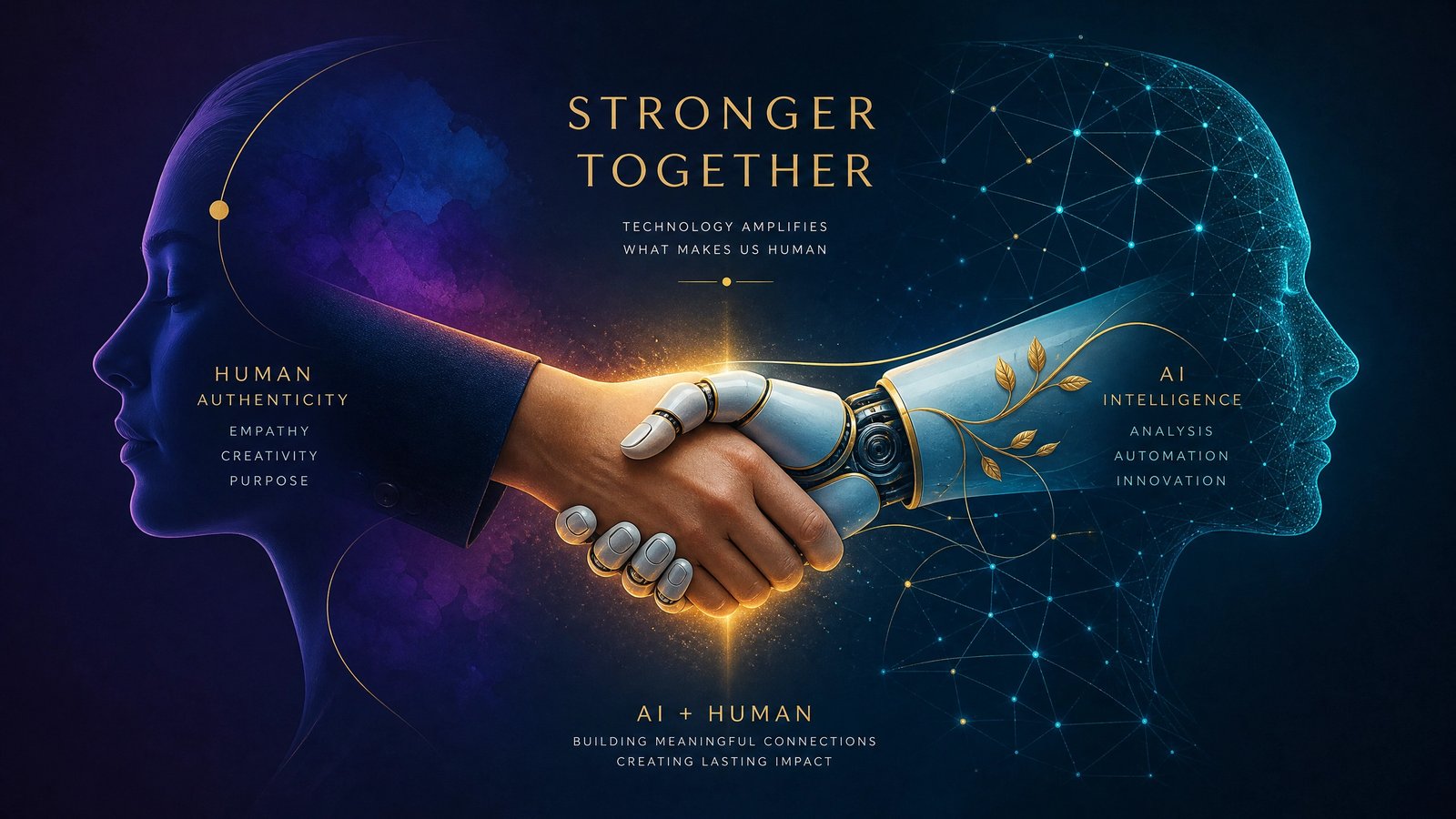
The year 2026 marks a “great divorce” in digital marketing: the division between the massive scale offered by AI-driven automation and the growing demand for “lo-fi” (low-fidelity, more human) authenticity from consumers . Brands that achieve the highest return on investment will be those that integrate genuine human experiences into their hyper-efficient AI systems. AI is becoming the fundamental operational layer of marketing, but true differentiation will not reside solely in speed or production volume, but in the strategic substance and emotional connection that the brand manages to establish . Authenticity, by its nature, is something that automation cannot replicate at scale, making it an invaluable asset in the digital age .
Benefits of AI for Authentic Branding in SMEs
AI, when strategically implemented, can be a powerful ally for SMEs seeking to strengthen their brand authenticity:
1. Deep Personalization Without Losing the Human Touch
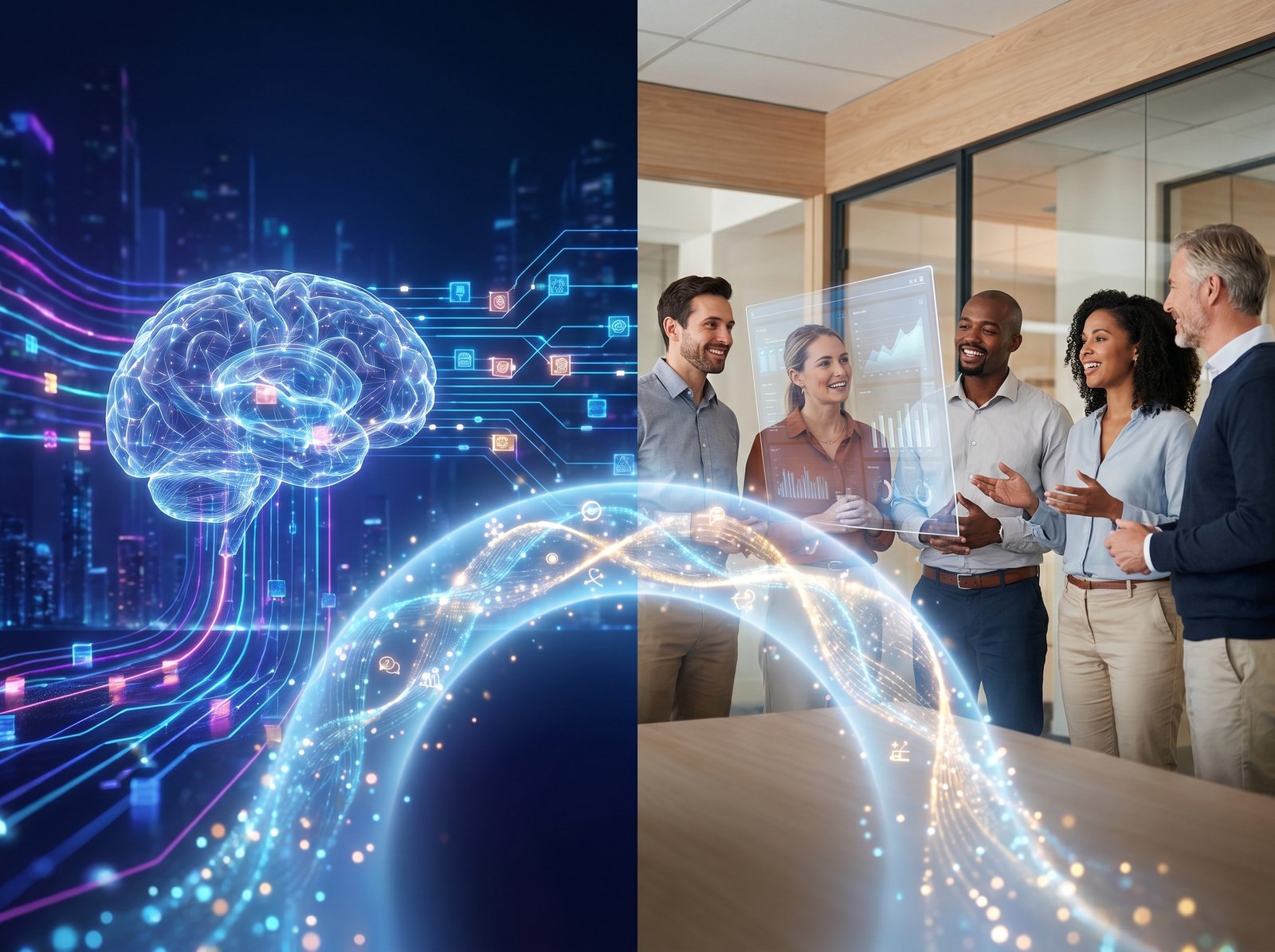
AI's ability to analyze large volumes of data allows SMEs to understand the individual preferences, behaviors, and needs of their customers at an unprecedented level. This translates into hyper-personalized marketing messages, product recommendations, and customer service experiences. However, the key is to use this personalization to enrich human interaction, not to replace it. For example, AI-powered chatbots can handle routine inquiries, freeing up human staff to address more complex and emotional interactions, thereby reinforcing authentic customer connection .
2. Efficiency in Brand Management, Freeing Up Time for Creativity
Automating repetitive tasks is one of the most tangible benefits of AI. From content generation (such as ad copy or social media posts) to optimizing email marketing campaigns and programmatic advertising, AI can manage time-consuming processes. By delegating these tasks to AI, SMEs can free up valuable human resources, allowing their teams to focus on more strategic and creative initiatives, such as developing brand narratives, ideating innovative campaigns, and building community relationships. This not only improves operational efficiency but also fosters an environment where human creativity can flourish .
3. Data Analysis to Better Understand the Customer and Their Emotions
AI excels at identifying patterns and extracting insights from complex data that would be impossible for humans to process manually. This enables SMEs to make more informed decisions about their marketing strategies, product development, and brand positioning. Beyond demographic data, emotional AI can help understand customers' underlying feelings and motivations, allowing brands to connect on a deeper, more empathetic level. Predictive analytics, powered by AI, can anticipate market trends and customer behavior, facilitating proactive adjustments and optimized resource allocation .
Key Strategies for SMEs in the AI Era
For SMEs to fully leverage AI without compromising their authenticity, it is essential to adopt a strategic approach:
1. Integrate AI as an Assistant, Not a Replacement
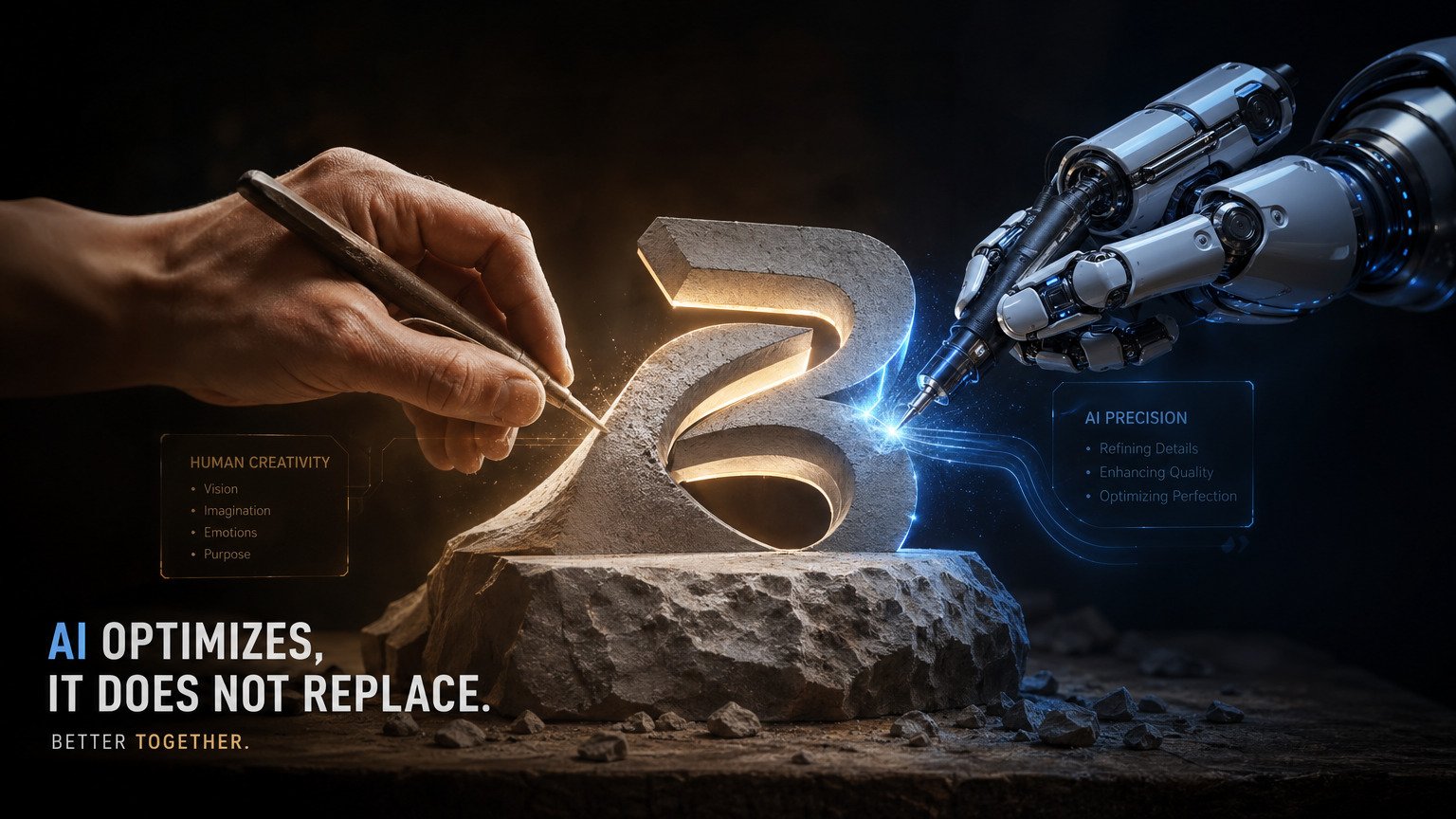
AI should be seen as a tool that augments human capabilities, not replaces them. Instead of fully automating customer interaction or content creation, SMEs should use AI to improve efficiency, provide insights, and personalize the experience, always with a final human touch. This ensures that the brand's unique voice and values remain intact.
2. Prioritize Transparency in AI Use
Consumer trust is paramount. SMEs must be transparent about when and how they use AI in their marketing and branding operations. Clear disclosure of AI-generated content or automated interactions is crucial to maintaining credibility and avoiding the perception of deception. Ethics in AI use will be a fundamental pillar of brand trust in 2026 .
3. Foster Human Creativity Driven by AI
AI can handle repetitive tasks and data analysis, freeing creative teams to focus on ideation, strategy, and emotional connection. SMEs should invest in training their employees to work with AI, using it as a tool to generate ideas, optimize processes, and refine messages, rather than relying on it for pure creativity. AI does not replace creativity; it liberates it .
Conclusion: The Future is Intelligent and Authentic
The convergence of marketing, branding, and artificial intelligence is not a passing trend but a fundamental shift in how businesses will operate and thrive. For SMEs, the challenge and opportunity lie in balancing the efficiency of automation with the imperative need for authenticity. By adopting a human-centered approach, using AI as an intelligent partner for personalization, efficiency, and data-driven decision-making, SMEs can build resilient, future-proof brands that not only connect with their audiences but also generate a significant and lasting impact. The future is intelligent, but above all, it is authentic.
References
[4] SMS-iT Blog. (2025). The Role of AI in Creating Emotional Brand Connections. Retrieved from