AI is powerful, but without human responsibility and soft skills, it fails. Explore a reflective comparison of perspectives on managing AI, the ethical stakes, and the future of human-AI collaboration.
For years, the conversation around artificial intelligence has been dominated by a single, shiny obsession: technical mastery. Can you code a neural network? Can you train a model on petabytes of data? Can you optimize a transformer architecture? These are the questions that have filled conference halls and LinkedIn feeds.
But as we stand at the doorstep of 2026, a quieter, more uncomfortable truth is emerging.
The people who will win the AI era won’t necessarily be the best coders. They will be the most responsible, empathetic, and self-aware leaders.
This article isn’t another hype piece. It’s a reflective comparison of two competing perspectives—and a call to embrace the soft skills that turn artificial intelligence from a threat into a collaborator.
Table of Contents
ToggleTwo Perspectives, One Truth
Perspective A: The Techno-Optimist
“AI is a tool. Give me the best model, enough compute, and I’ll solve anything. Soft skills are nice-to-haves, not need-to-haves.”
This view dominates Silicon Valley. It celebrates speed, automation, and scale. And it’s not entirely wrong. AI has diagnosed cancers, optimized supply chains, and democratized creativity. Used well, AI is breathtakingly good.
Perspective B: The Human-Centric Realist
“AI without human judgment is dangerous. Algorithms don’t have conscience. We do.”
This perspective reminds us of the disasters: biased hiring models, chatbots that invent “facts,” autonomous systems making life-altering decisions without accountability. Soft skills—critical thinking, empathy, communication—aren’t obstacles to efficiency. They are safeguards.
The synthesis?
You cannot manage what you do not understand. And you cannot responsibly deploy what you cannot question. Soft skills are the operating system for ethical AI.
What Does Responsible AI Look Like?
Let’s move from abstraction to action.
- Critical thinking → Challenging model outputs instead of blindly trusting them.
- Empathy → Designing AI systems that serve diverse users, not just average ones.
- Communication → Explaining AI decisions to stakeholders who don’t know a tensor from a transformer.
- Accountability → Owning outcomes when AI gets it wrong, not blaming “the algorithm.”
Without these, AI becomes a black box with a business card. Impressive, but untrustworthy.
The Future: Hybrid Intelligence
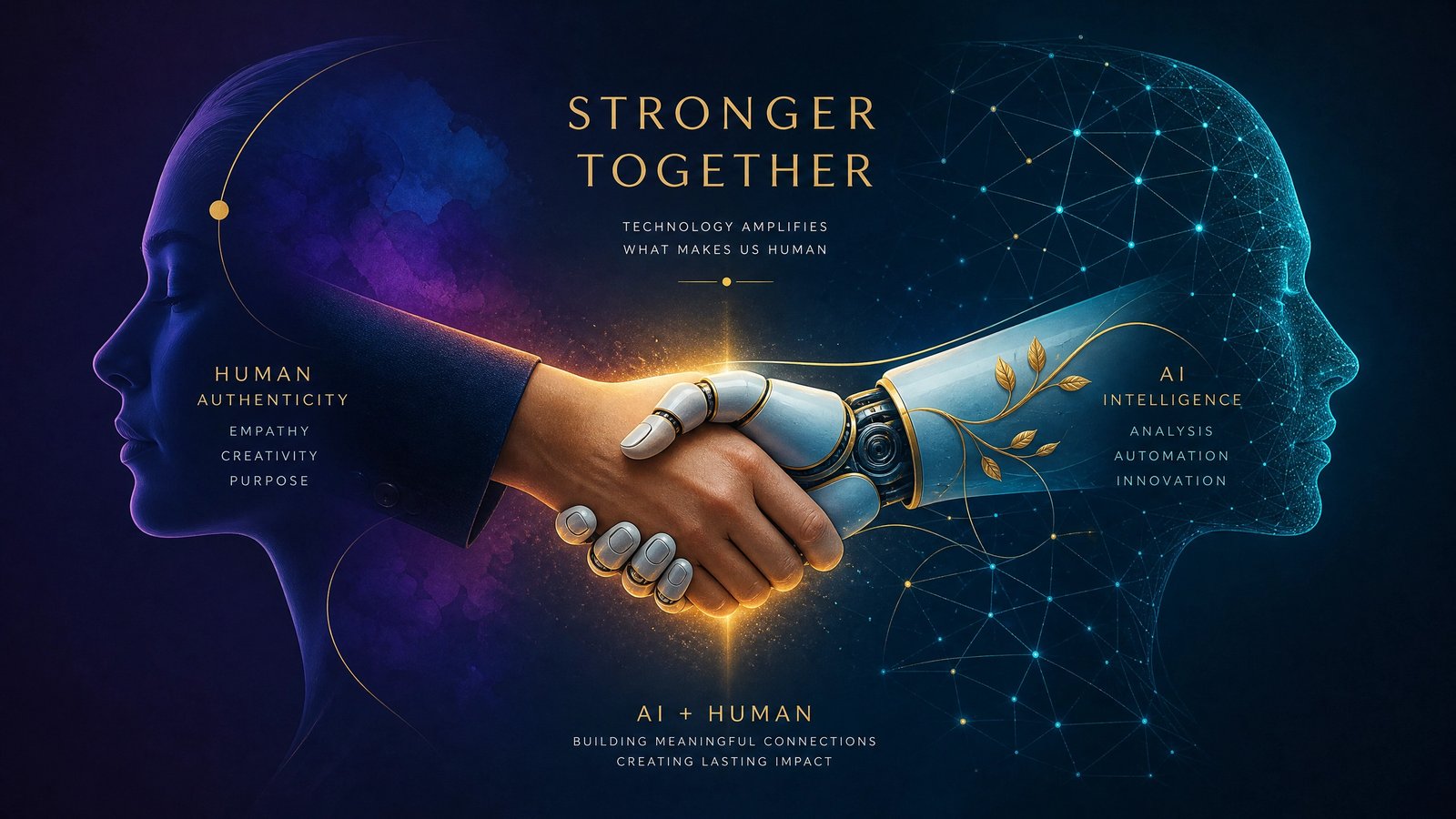
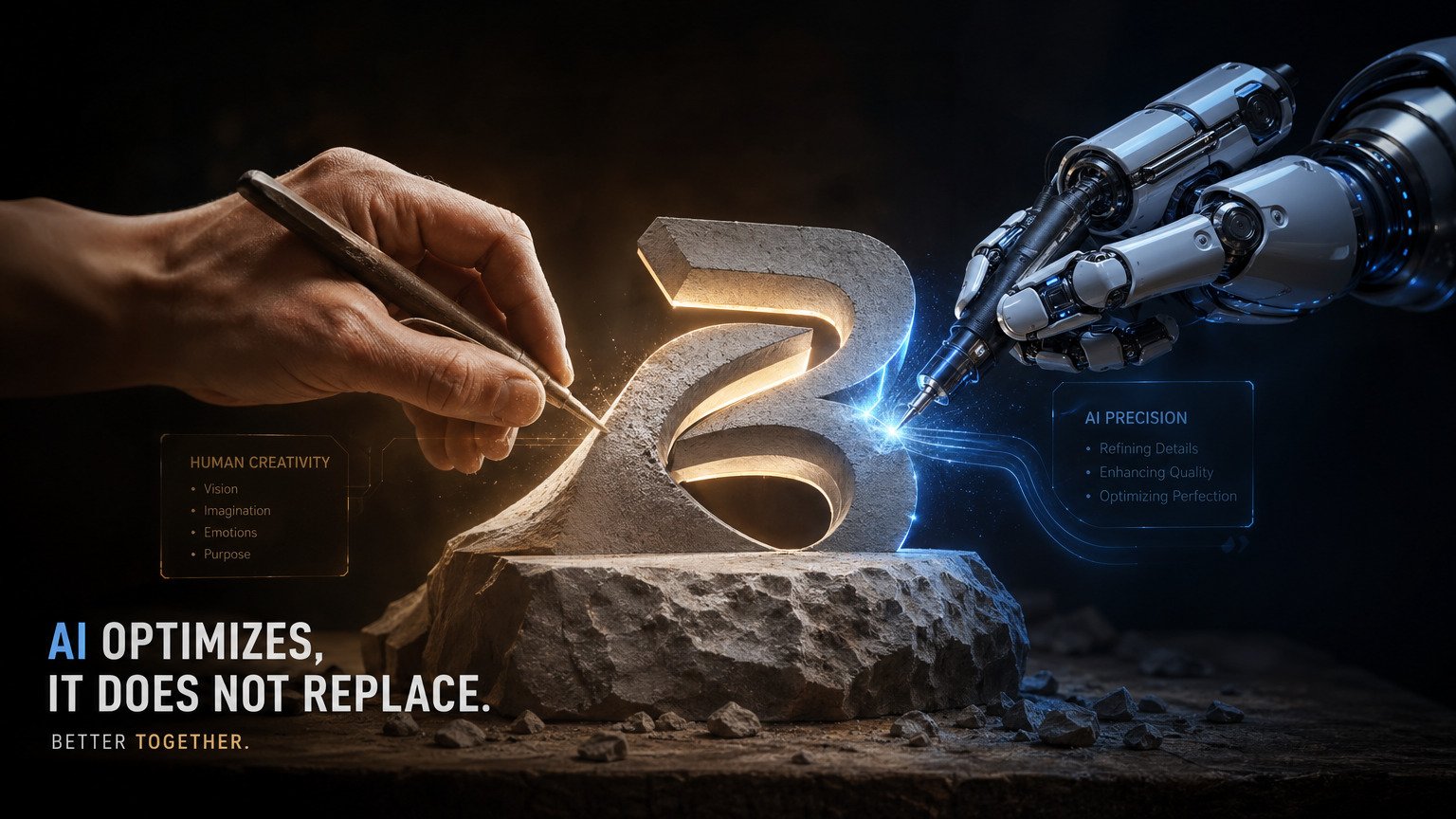
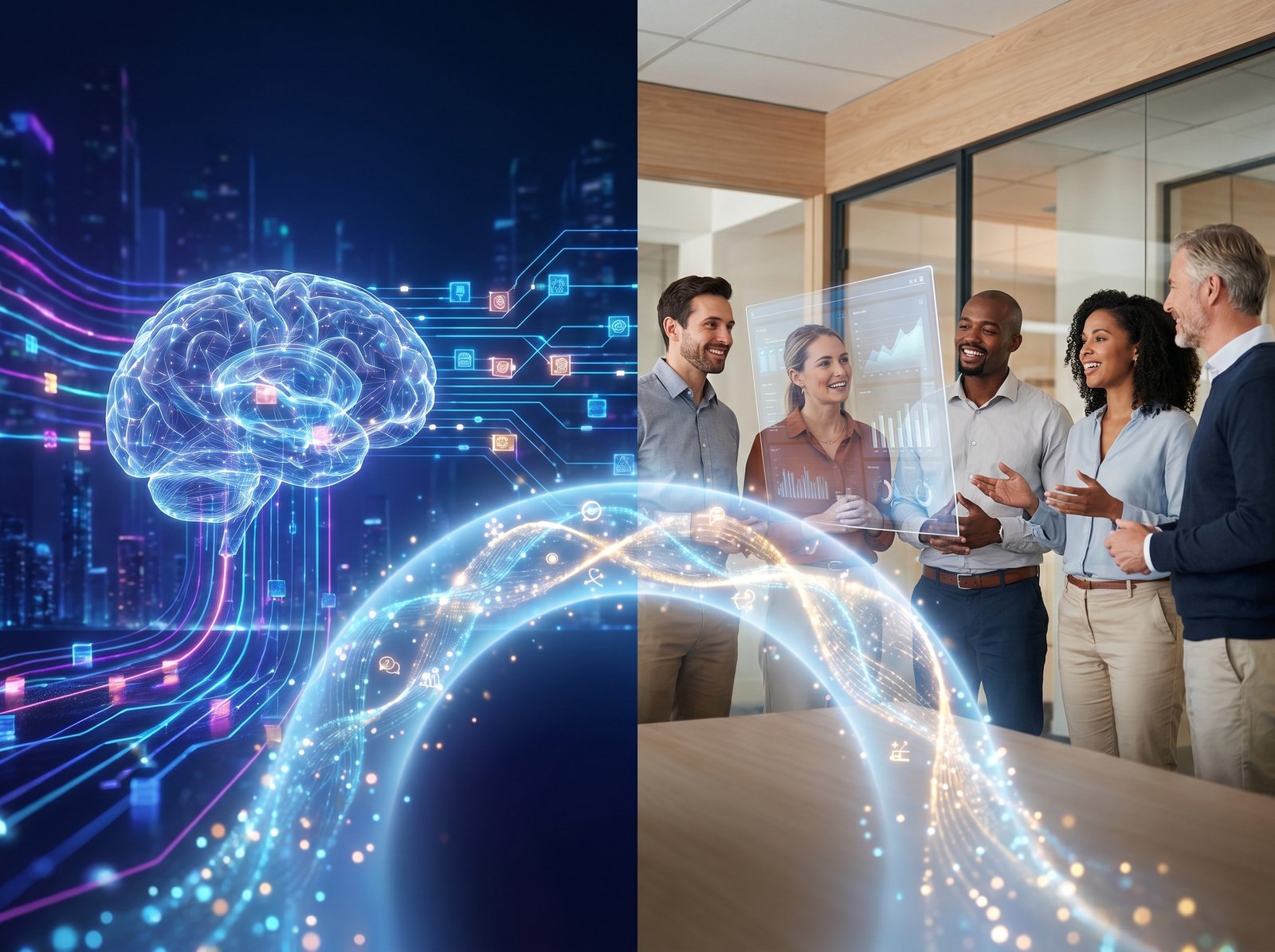
In the next five years, we won’t talk about “AI vs. humans.” We’ll talk about hybrid intelligence—teams where humans and AI collaborate fluidly.
- Good future scenario: AI handles repetitive analysis; humans handle ethics, exception-handling, and creative strategy. Productivity soars without dehumanization.
- Bad future scenario: AI is deployed recklessly because no one had the soft skills to ask, “Should we?” Regulation lags. Trust erodes. Adoption stalls.
Which future we get depends less on GPT-5 and more on education, leadership, and cultural maturity.
A Responsible Conclusion
Yes, AI is good. It can be a force for inclusion, innovation, and insight. But “good” is not automatic. It is earned—through responsibility, through humility, and through the very human skills we once dismissed as “too soft” for the hard world of technology.
The algorithm will follow your lead.
Make sure your lead is worth following.
Marketing & Branding in the AI Era: A Synergistic Revolution for Businesses