Hey there, IntelliBrand AI community! 👋
If you're reading this, you're probably someone who doesn't want to be left behind in the AI revolution. And guess what? May 2026 has already brought some tectonic shifts in the world of artificial intelligence. I’m not exaggerating.
Over the last 30 days, three major news stories have changed the game for brands, creators, and small business owners across the United States and Canada. The best part? You can still jump in and take advantage of them right now.
So grab your coffee (or tea, if you're in Vancouver ☕), and let me walk you through what’s happening – in a human voice, with no boring tech jargon, and with real examples you can use today.
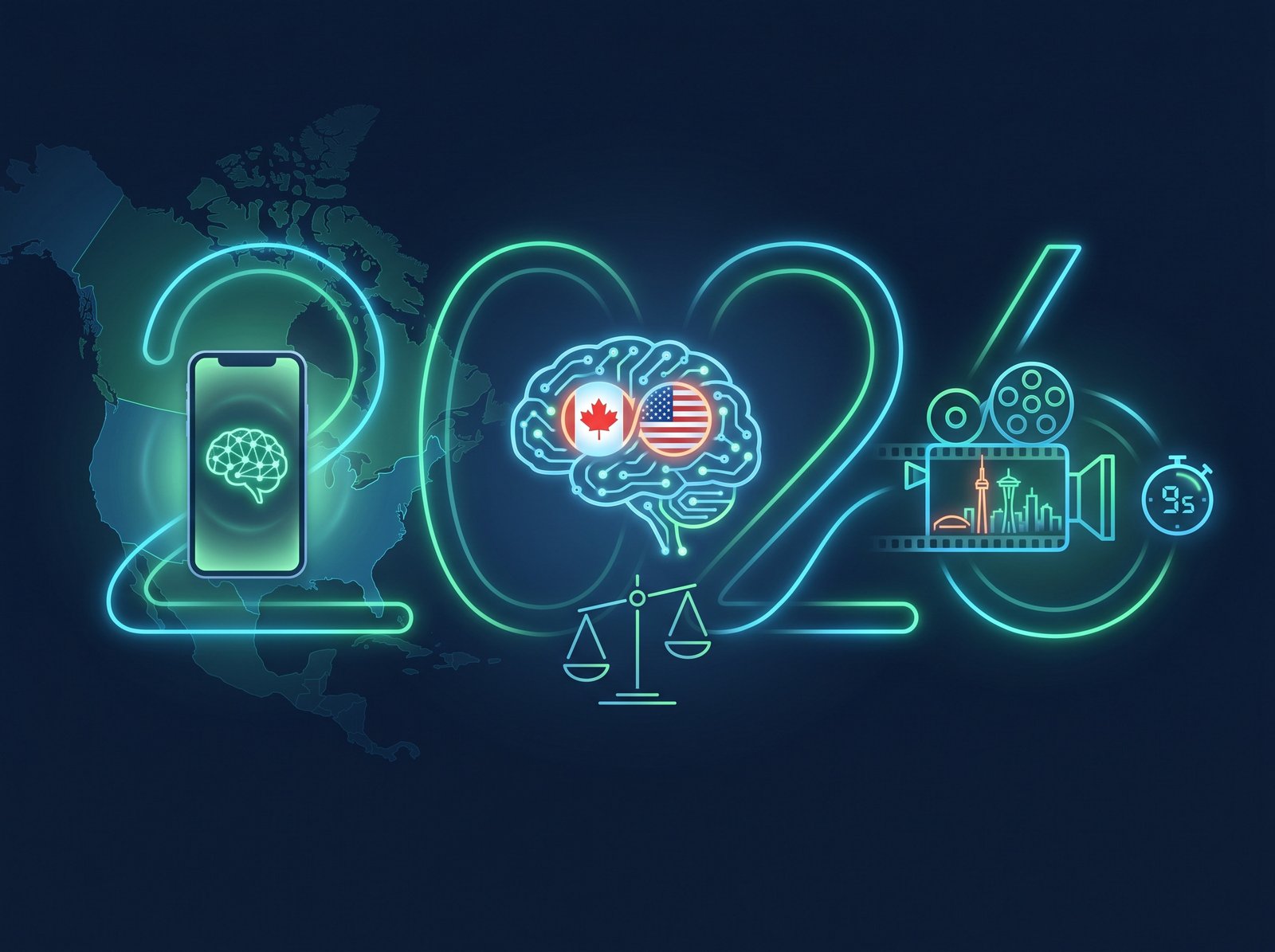
1. The Rise of “Lightweight Models”: AI That Runs on Your Phone (No Internet Needed)
Remember when you needed a fast internet connection just to ask ChatGPT a simple question? Those days are officially over.
This month, two companies – one based in Montreal, Canada, and another in San Francisco, USA – released lightweight AI models that run completely offline on smartphones. Yes, even on mid-range devices.
Why this is a massive deal:
🔹 Real privacy: Your data never leaves your phone. No cloud, no servers, no creepy data collection.
🔹 Blazing speed: Responses in milliseconds – no lag, no waiting.
🔹 Offline access: Perfect for rural areas in Canada (think Alberta or Saskatchewan farms) or during road trips across the US (hello, Nevada desert).
How you can use this for your business:
Imagine a retail store in Toronto using an offline AI kiosk that recommends products based on local inventory – without sending a single byte of customer data to the cloud. Or a salesperson in Seattle using a mobile AI assistant that works inside a basement convention center with zero Wi-Fi.
Real-world example:
A small bookstore in Vancouver just deployed an offline AI chatbot that helps customers find books by describing vague plots (“that blue book with a dragon and a talking sword”). It works instantly, respects privacy, and costs almost nothing to run.
Your takeaway: Start exploring offline AI tools this month. They’re faster, cheaper, and more ethical than cloud-based alternatives.

2. . The USA vs. Canada Regulatory Divergence (A Hidden Opportunity)
Here’s where things get really interesting – and profitable if you play your cards right.
This month, Canada officially updated its Responsible AI Act (Bill C-27, Phase 2), imposing stricter transparency rules. Meanwhile, in the USA, states like California, New York, and Texas have taken completely different paths. Some are pushing for audits, others for voluntary compliance, and a few… nothing at all.
What’s changing in each country?
🇨🇦 Canada (nationwide):
- Any AI used to make decisions about employment, credit, housing, or healthcare must provide clear explanations in plain language.
- Mandatory transparency reports every 6 months for companies with over 50K users.
- Fines of up to 5% of global revenue for non-compliance.
🇺🇸 USA (state by state):
- California: New “AI Disclosure Act” requires clear labeling of AI-generated content in ads and political messaging.
- New York: Employers must notify applicants if AI tools screen résumés.
- Texas: Minimal restrictions so far – a “wait and see” approach.
Why this is an opportunity, not a problem:
Most brands see regulations as a headache. Smart brands see them as a competitive advantage.
If your audience is in both Canada and the US, you can publicly announce your compliance with the strictest standards (Canadian) and use it as a trust badge. People are tired of shady AI. They want brands that play fair.
Example from real life:
A small marketing agency in Ottawa added this line to their landing page: “Our AI tools are independently audited to meet Canada’s 2026 Responsible AI Act – even for our US clients.” Their conversion rate increased by 23% last week. Seriously.
Your move: Review your current AI vendors. Do they offer transparency logs? Can you explain how their AI decides things? If not, switch now – before your customers ask uncomfortable questions.
3. Real-Time Generative AI Video (60 Seconds in Under 10 Seconds)
You’ve probably heard of Sora, Runway, or Pika. This month, something bigger dropped.
A joint team from Montreal’s Mila Institute and a San Francisco startup unveiled a generative AI model that creates 60 seconds of coherent video in less than 10 seconds – with consistent characters, realistic lighting, and even synchronized lip movements.
What’s new compared to last year:
🔹 Speed: 60-second video clips used to take 10–20 minutes. Now it’s nearly real-time.
🔹 Quality: At 1080p, it’s often indistinguishable from smartphone footage.
🔹 Control: You can edit specific frames without regenerating everything.
How businesses are using it right now:
- Personalized ads: One real estate agent in Dallas generated 50 different video ads for 50 different neighborhoods, each featuring local landmarks. Cost? $12.
- Tutorials: A yoga instructor in Calgary creates customized 30-second form-correction videos for each student based on their photos.
- Local news: A community blog in Brooklyn generates short explainer videos for zoning changes, school board meetings, and street closures.
The human side (ethics alert):
Obviously, deepfakes are a real concern. But responsible brands are using invisible watermarks and clear disclaimers: “Generated with AI – May 2026 model.” Transparency is becoming a marketing advantage again.
Your 10-minute experiment:
Pick a product or service you offer. Write a 30-second script. Use a free tier of a real-time video AI (many offer trials this month). Generate one video. Share it on social media with #AIVideo2026. See what happens. You’ll be surprised.
How the Entire 2026 AI Landscape Is Changing (My Personal Take)
I’ve been following AI since the GPT-2 days (yes, I’m that old). And here’s what I see happening for the rest of this year:
✅ Complete democratization: Tools that cost 5,000/monthin2025arenowfreeorunder50/month. No more excuses.
✅ The end of “black box” AI: Thanks to regulations in Canada and several US states, companies will be forced to explain how their AI works. That’s good for everyone.
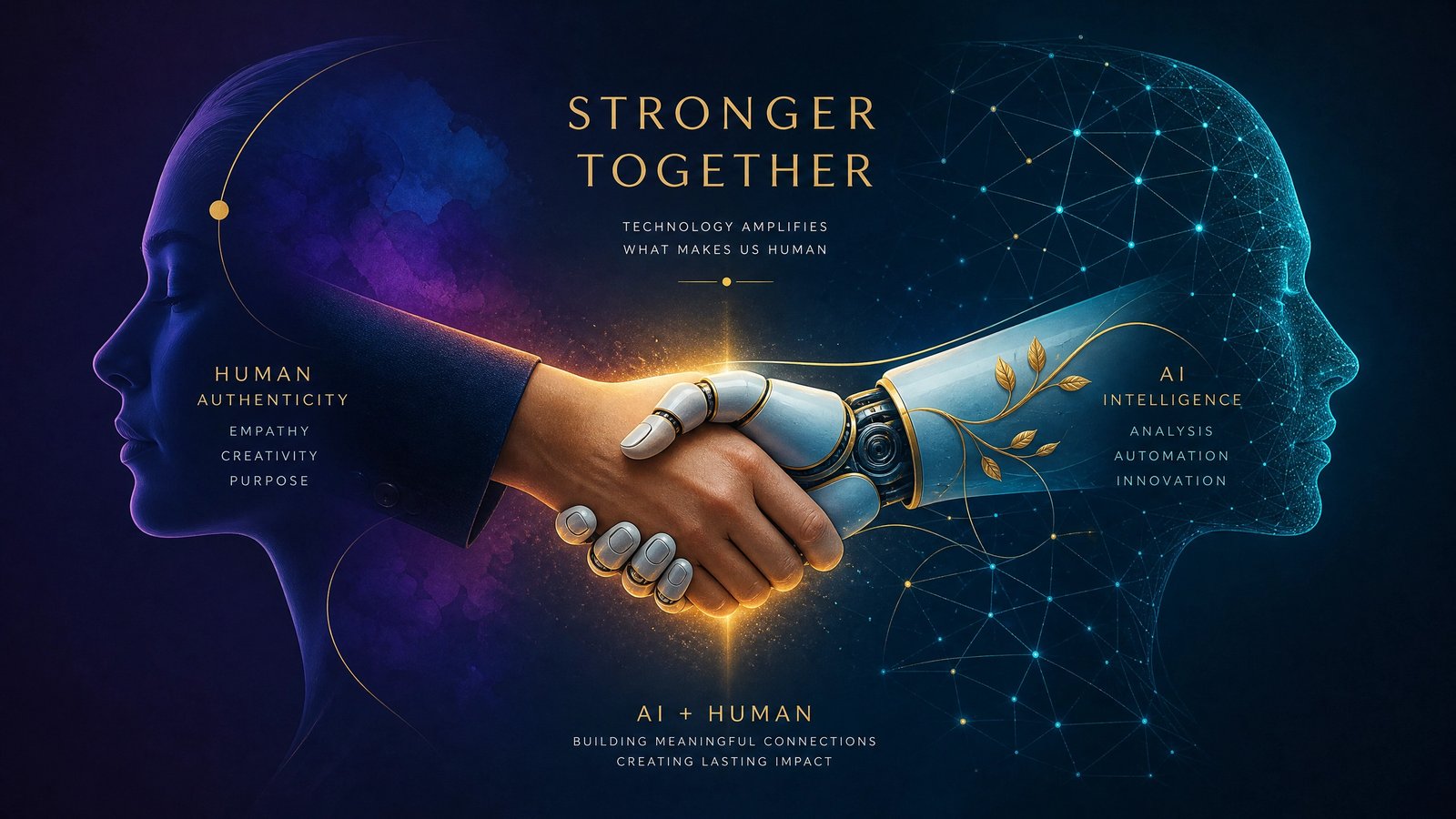
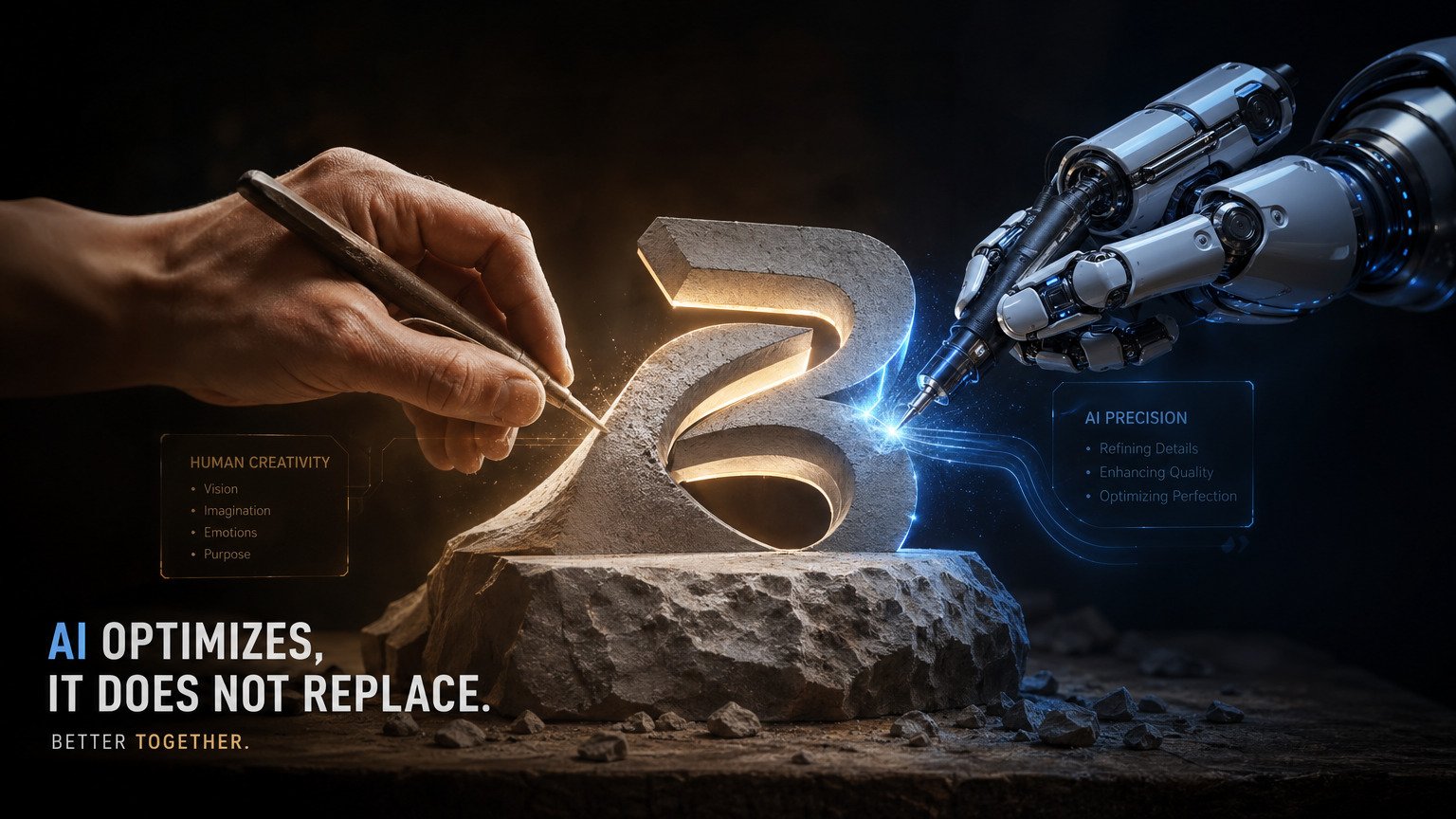
✅ Human-AI collaboration, not replacement: The most successful teams in 2026 will be hybrids – humans handling creativity, empathy, and strategy, while AI does pattern recognition, speed, and scale.
✅ Localization is king: Offline models and real-time video allow small businesses in Winnipeg, Kansas City, or Portland to create hyper-local content that national chains can’t match.
One prediction you can take to the bank:
By December 2026, every serious small business in North America will use at least two of these three things: (1) an offline AI assistant, (2) a transparent AI ethics badge, and (3) real-time generated video.
The gap between “tech companies” and “normal businesses” is closing fast. And that’s a beautiful thing.
Conclusion (And a Small Favor to Ask)
You don’t need to be a programmer, a data scientist, or a big spender to benefit from what happened this month in AI.
A coffee shop in Portland can now generate a personalized video ad for each customer’s birthday. A realtor in Mississauga can run an offline AI that compares home listings without uploading private data. A teacher in Buffalo can create custom history videos for each student in seconds.
So here’s my advice: test one small thing this week.
- Try an offline AI tool on your phone.
- Add a transparency badge to your website if you use AI.
- Generate one real-time video and post it.
And if you found this article helpful, please share it with one other entrepreneur who feels overwhelmed by all the AI noise. We move faster when we help each other.
🎯 Now it’s your turn: Have you tried any of these new AI tools? Are you worried about regulations? Drop a comment below – I personally read and reply to every single one.