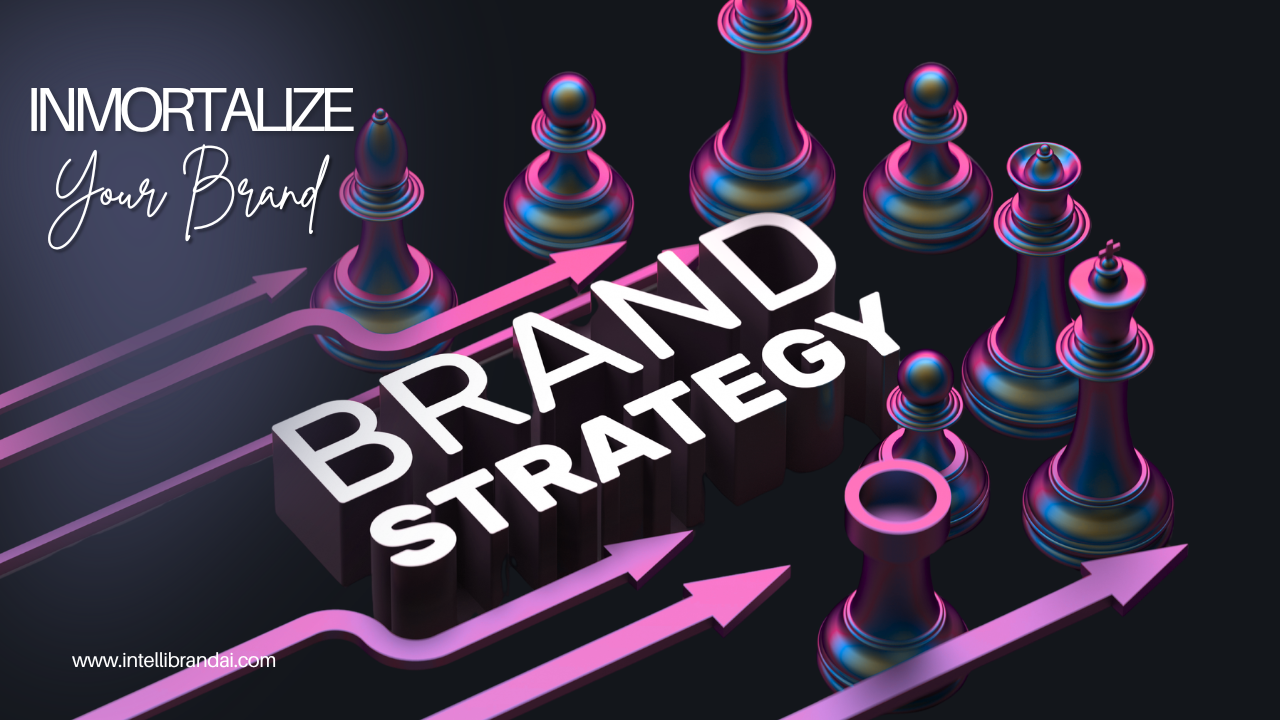
Discover why 2026 is the year of the “Creative Rebellion.” Learn how to balance AI automation trends with human creativity to save your brand from the AI sea of sameness.
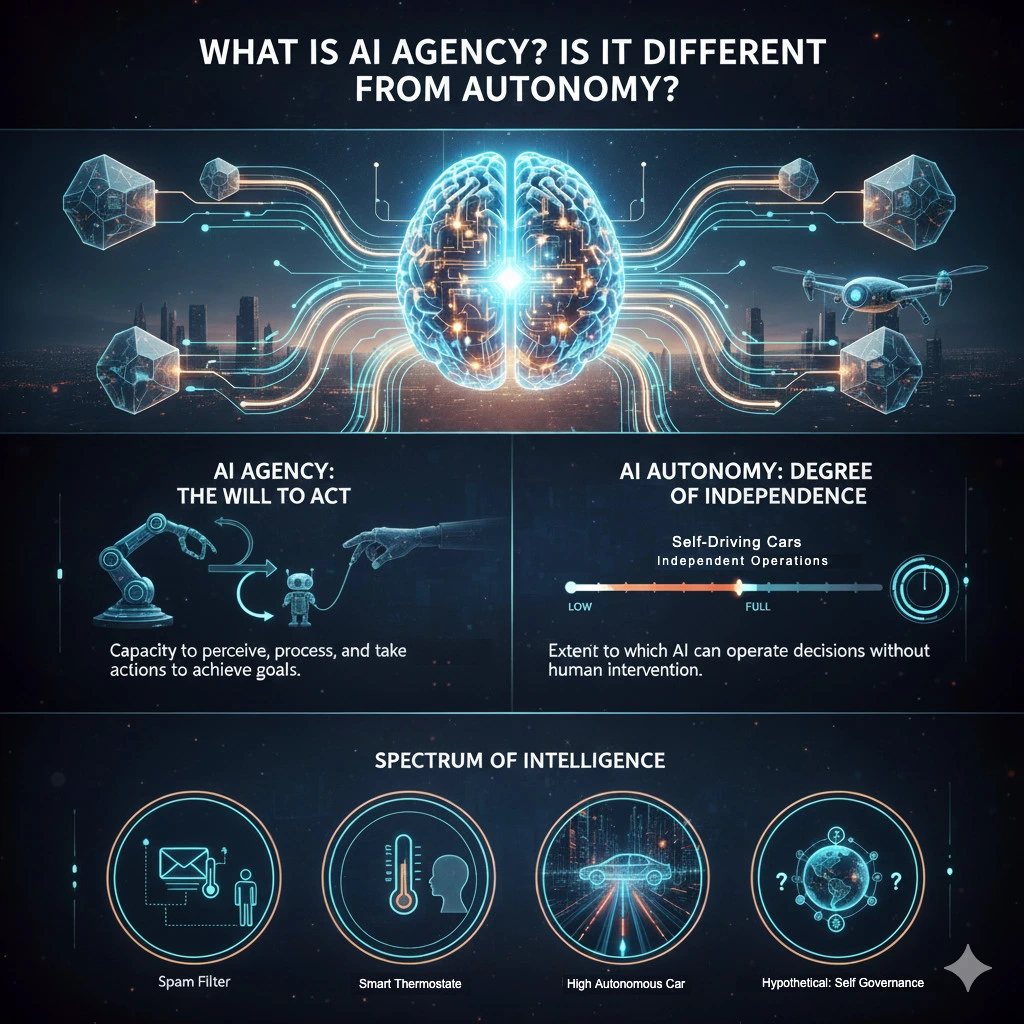
In the blink of an eye, we’ve moved from “AI as a tool” to “AI as the decision-maker.” As we navigate through 2026, the digital landscape is being flooded with content that is technically perfect, data-driven, and—quite frankly—utterly soulless.
Industry giants like Gartner and Forrester have already predicted that by the end of this year, over 80% of digital marketing content will be generated by AI agents. But here is the trillion-dollar question: If everyone is using the same high-performing algorithms to build their brands, does anyone actually have a brand anymore?
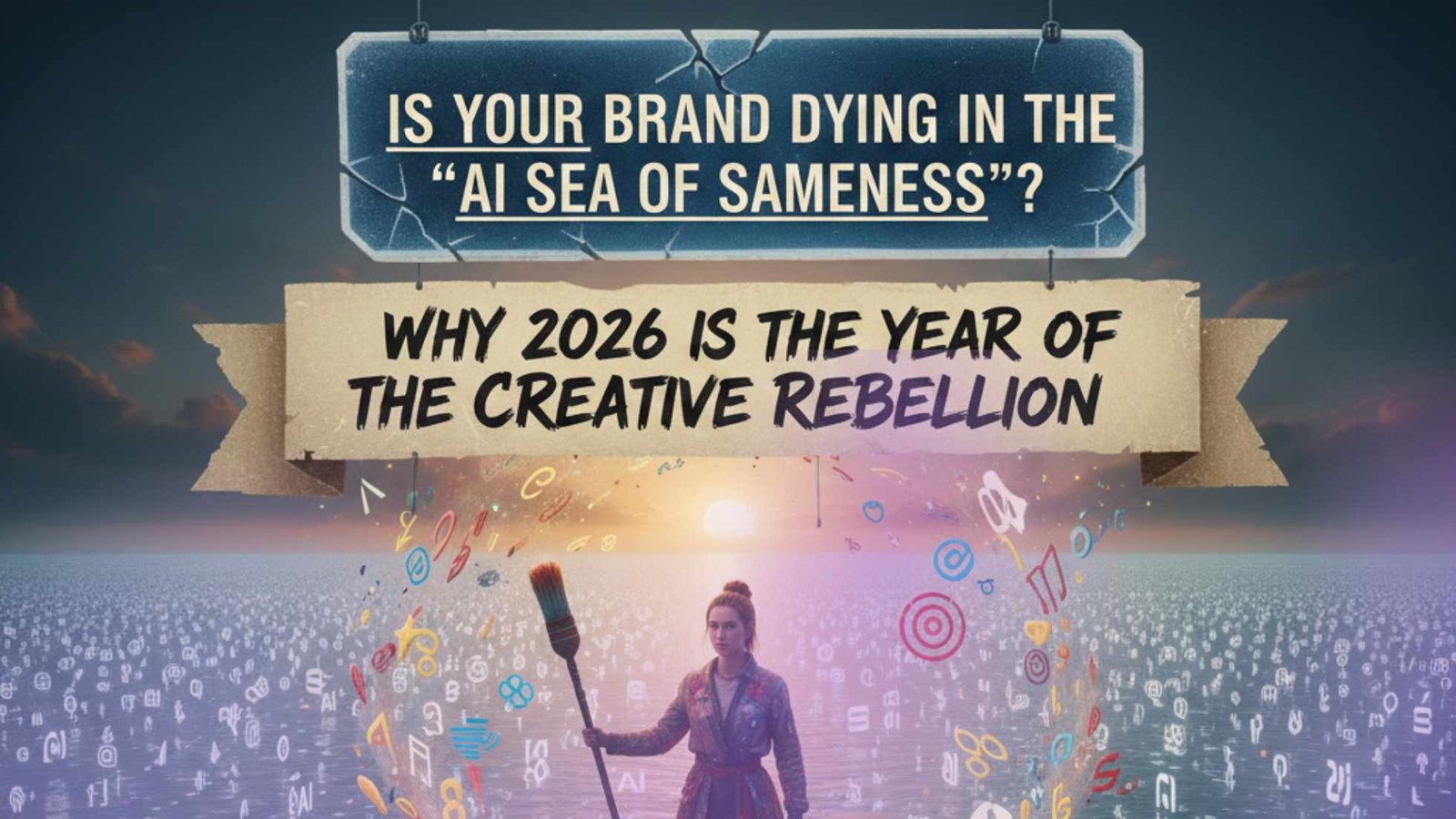
Welcome to the “AI Sea of Sameness.”
The Paradox of Efficiency: When More Automation Means Less Connection
We are witnessing a massive shift in AI automation trends for 2026. Companies are racing to automate everything from customer service to complete branding identities. While this leads to unprecedented operational efficiency, it is creating a dangerous vacuum of originality.
“The real danger isn't that AI will replace human creativity; it's that brands will settle for ‘good enough' AI content and lose what made them unique in the first place.” — Marketing Insight 2026
When every blog post, every logo, and every social media ad is optimized by the same LLMs for the same “ideal” engagement metrics, brands start to sound like a single, monotonous voice.
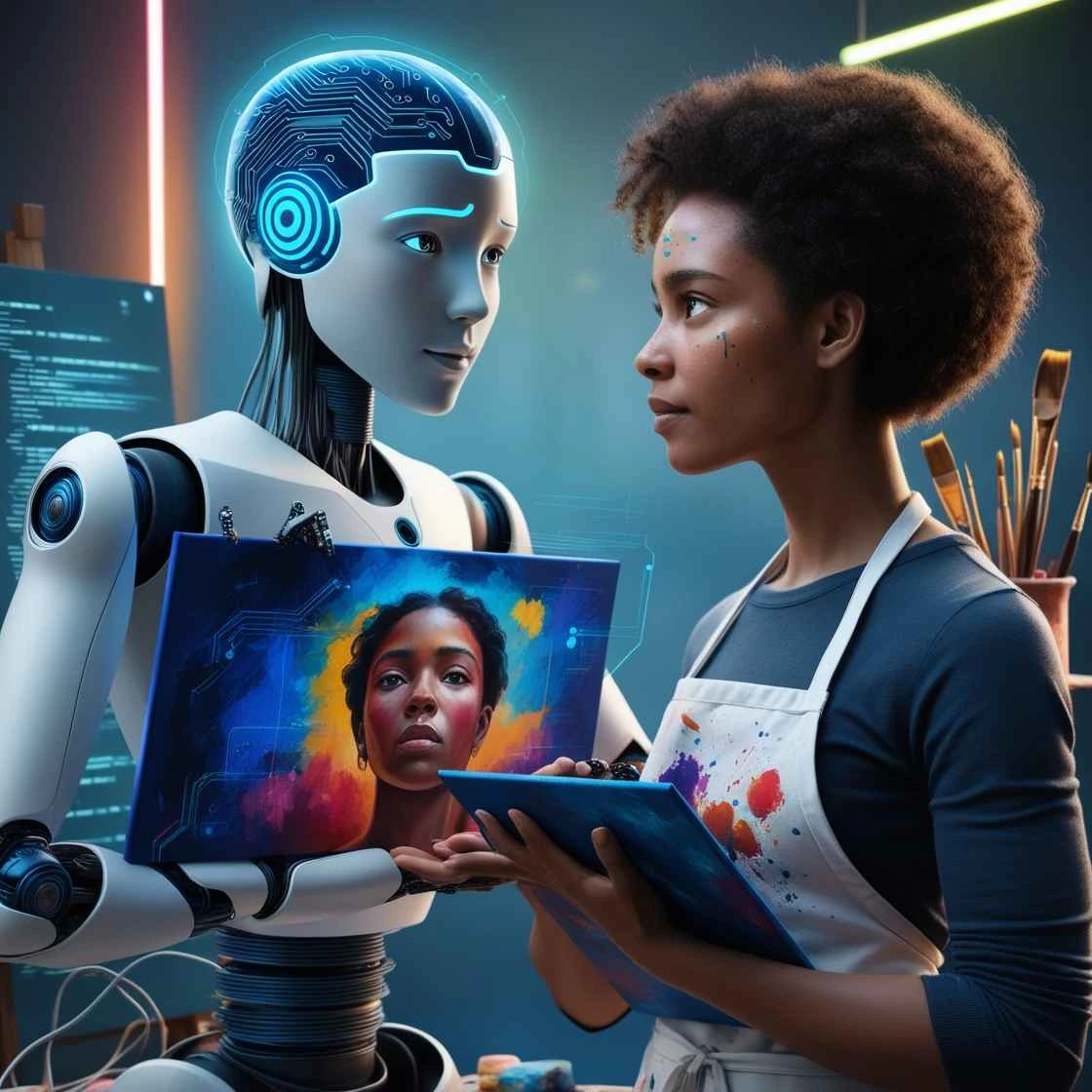
The 2026 Debate: Agentic AI vs. The Human “Why”
The latest Kantar Marketing Trends suggest that 2026 is the year of Agentic AI—autonomous agents that don't just suggest, but act. These agents can brief themselves, execute campaigns, and even pivot strategies in real-time.
However, this has sparked a global debate: Can an algorithm ever truly understand “The Why”?
•The AI Argument: Speed, precision, and the ability to analyze billions of data points to predict exactly what a consumer wants before they even know it.
•The Human Argument: Empathy, shared cultural context, and the ability to take “creative risks” that data would suggest are irrational but that ultimately touch the human heart.
At Intelli Brand AI, we believe the winner won't be the one who automates the most, but the one who uses AI to handle the how while doubling down on the human why.
How to Join the “Creative Rebellion” and Save Your Brand
If you want your brand to survive the AI-driven homogenization of the market, you need a new strategy. Here are three ways to ensure your brand remains irreplaceable:
1. Optimize for “Citations,” Not Just “Rankings”
As search engines evolve into AI answer engines (like the latest updates from OpenAI's SearchGPT and Google Gemini), being #1 on a list is less important than being the authoritative source that the AI cites. This requires deep, original research and a unique perspective that AI cannot synthesize from existing web data.
2. Embrace “Radical Authenticity”
In a world of deepfakes and AI-generated personas, humans are developing a “sixth sense” for what is real. Show the “behind the scenes,” the mistakes, and the raw human elements of your business. Authenticity is the only thing AI cannot fake convincingly.
3. Use AI as Leverage, Not Leadership
Automation should free your team from the mundane so they can spend more time on high-level strategy and creative storytelling. If your AI is making the final creative decisions, you've already lost.
The Final Verdict: Is Your Brand a Leader or a Follower?
The “AI Sea of Sameness” is a comfortable place to be. It’s safe, it’s efficient, and it’s predictable. But leaders don’t stay in safe places.
As we look toward the rest of 2026, the most successful brands will be those that treat AI like a high-powered engine but keep a human firmly in the driver’s seat.
What do you think? Is AI-driven branding the ultimate evolution of marketing, or are we witnessing the death of true creativity?
Join the discussion in the comments below!