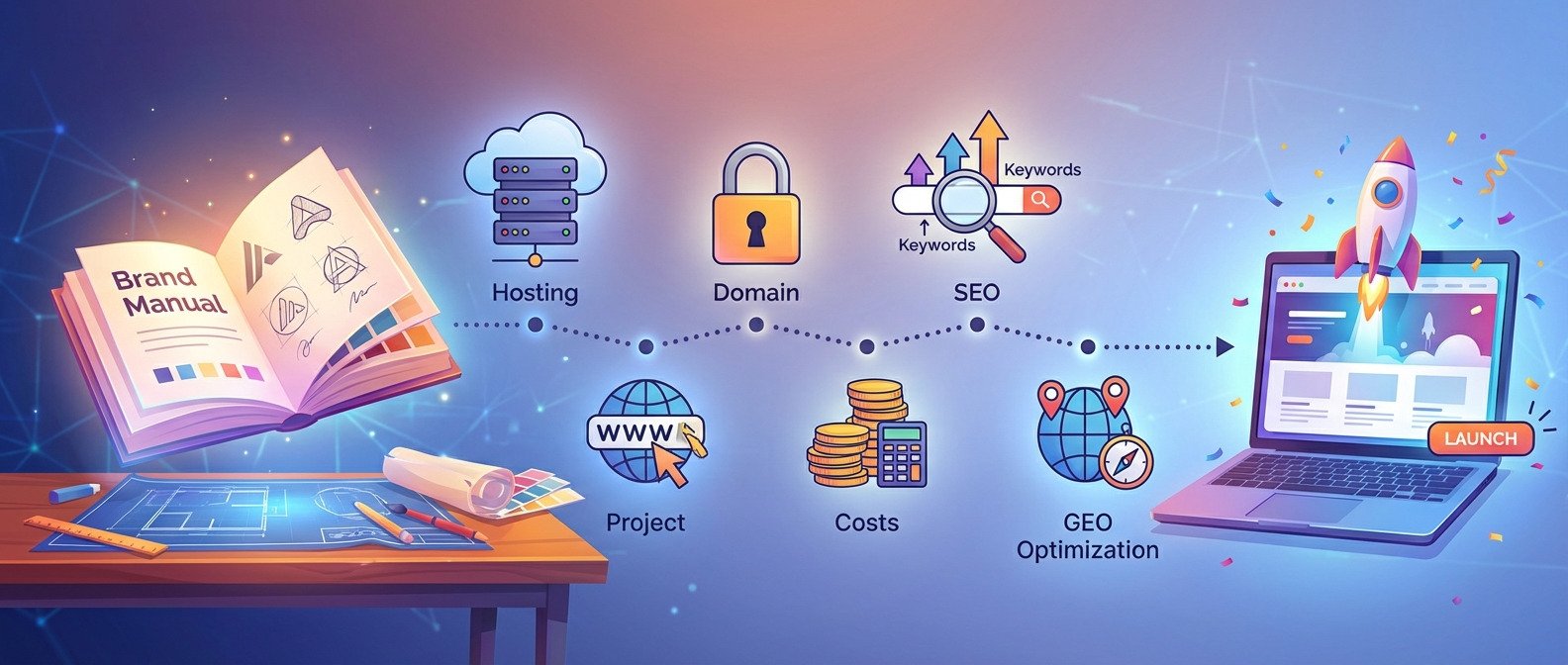
In the ever-evolving world of digital marketing, staying updated on key concepts is no longer optional—it's a competitive necessity. This comprehensive guide not only defines the most important marketing terms for 2026, but also explains how they connect to your business growth, digital presence, and customer acquisition strategies.
Table of Contents
ToggleWhat Is SEO? Why Does It Matter?
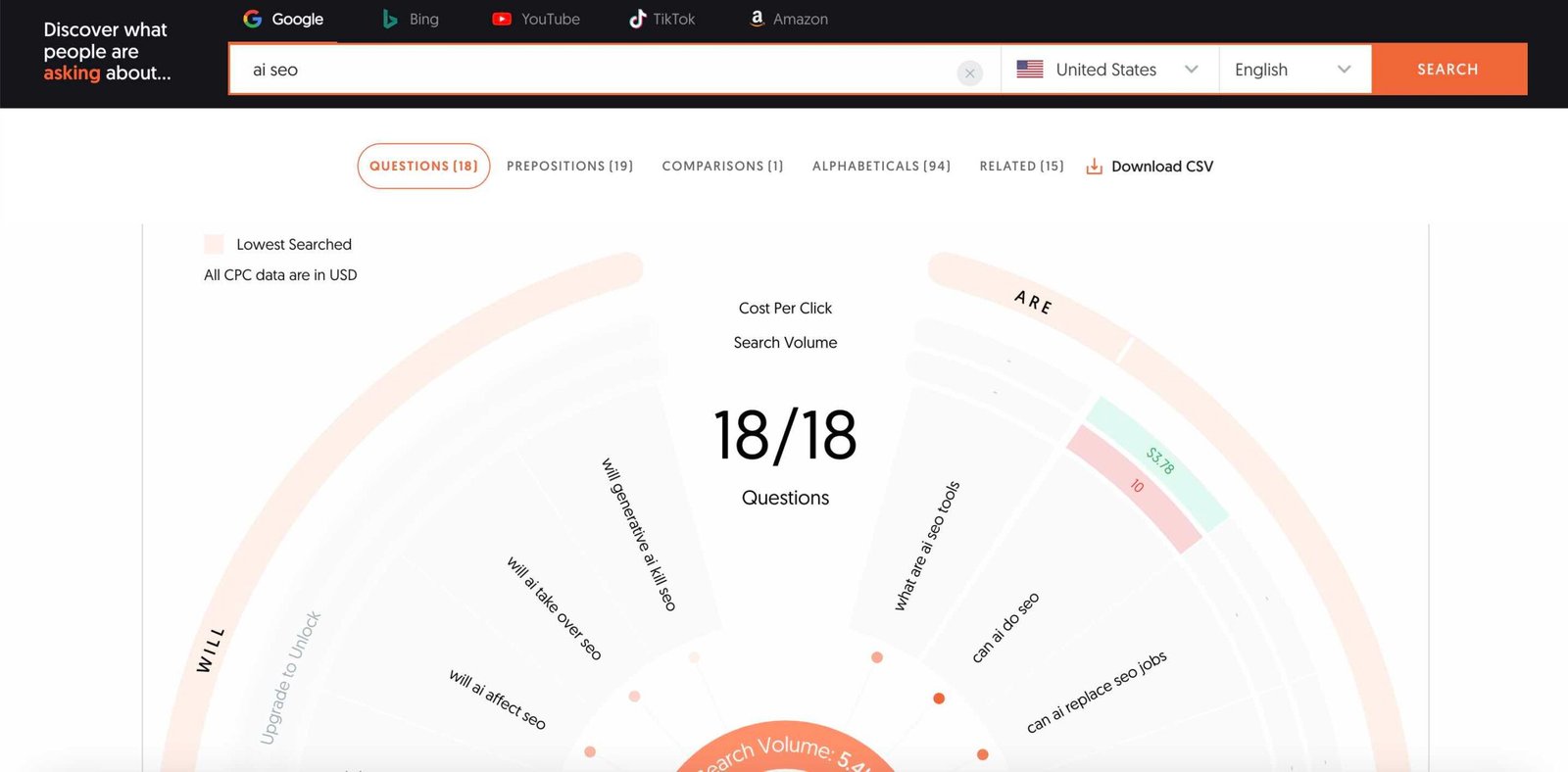
Search Engine Optimization (SEO) encompasses all strategies and tactics used to improve your website’s visibility on search engines such as Google. High-quality SEO increases organic traffic, boosts credibility, and drives long-term business growth. For a deep dive, reference Moz’s Beginner’s Guide to SEO, a high-authority resource.
How SEO Works
- On-Page SEO: Optimizing website content, headers, images, and keywords.
- Off-Page SEO: Building backlinks from reputable sites (Ahrefs Guide), managing online reputation.
- Technical SEO: Improving site speed, mobile usability, and crawlability. See Google Search Central for best practices.
2026’s Essential Marketing Terms Explained
1. Conversion Rate
The percentage of users who take a desired action (purchase, sign-up, download). High conversion rates indicate effective marketing and user experience.
2. CTR (Click-Through Rate)
The ratio of users who click a specific link to the number who view it. Critical for evaluating ad, email, and website performance.
3. CPA (Cost Per Acquisition)
How much you spend to acquire one customer. Lower CPA means more efficient campaigns.
4. Backlinks
Inbound links from other websites. Quality backlinks from sites like Forbes, HubSpot or Neil Patel signal authority and improve SEO rankings.
5. Content Marketing
Strategic creation and distribution of valuable content to attract and engage your target audience. Includes blogs, videos, guides, and webinars. Read more at Content Marketing Institute.
6. Landing Page
A focused web page created for a specific campaign or offer, designed to convert visitors into leads or customers. Tips for optimization: Unbounce Guide.
7. Impressions
The total number of times your content or ads are displayed. High impressions with low engagement may signal targeting or creative issues.
8. Organic Traffic
Visitors who reach your site via unpaid search results. A key metric for sustainable growth.
9. PPC (Pay-Per-Click)
An online advertising model where you pay each time someone clicks your ad. Used in Google Ads, Facebook Ads, and more. Learn more at Google Ads Help.
10. Meta Description
A concise summary of a web page, shown in search engine results. Well-crafted meta descriptions increase click-through rates and support SEO goals.
11. Engagement Rate
Measures the level of interaction (likes, shares, comments) your content receives. High engagement signals strong audience connection.
12. ROAS (Return on Ad Spend)
Calculates the revenue generated for every dollar spent on advertising. Crucial for evaluating paid campaign effectiveness.
13. Funnel
The customer journey from awareness to conversion. Understanding funnels helps optimize each stage for higher sales.
14. Retargeting
Serving ads to users who previously interacted with your brand. Increases the likelihood of conversion and improves ROI.
How to Apply These Terms for Real Business Results
- Collaborate effectively: Speak the same language as your marketing partners or agency.
- Set SMART goals: Use these terms to define clear, measurable objectives.
- Optimize campaigns: Monitor metrics like CTR, CPA, and ROAS to refine strategies.
- Boost SEO: Prioritize backlinks, meta descriptions, and technical SEO for sustained organic growth.