The Core Pillars of Business Growth: Marketing and Branding
In today's dynamic business landscape, Marketing and Branding are often used interchangeably, yet they represent distinct, albeit interconnected, disciplines crucial for sustained success. While marketing focuses on promoting products or services, branding delves into the very essence of a company's identity and promise. The advent of Artificial Intelligence (AI) has not only redefined these fields but has also forged a powerful synergy, offering unprecedented opportunities for businesses to connect with their audiences, build loyalty, and achieve remarkable growth.
What is Marketing?
Marketing encompasses the strategies and processes businesses use to create, communicate, deliver, and exchange offerings that have value for customers, clients, partners, and society at large. It's about understanding customer needs, developing compelling solutions, and effectively reaching the target audience. Traditionally, marketing involved activities like advertising, public relations, sales promotions, and direct mail. In the digital age, it has expanded to include content marketing, social media marketing, search engine optimization (SEO), email marketing, and more.
The primary goal of marketing is to generate leads, drive sales, and ultimately contribute to revenue growth. It's a proactive and often short-term focused endeavor, designed to capture immediate attention and encourage action.
What is Branding?
Branding, on the other hand, is the process of creating a unique name, image, and identity for a product or company in the consumer's mind. It's about shaping perceptions, fostering emotional connections, and building trust. A strong brand is more than just a logo or a catchy slogan; it's the sum total of a customer's experience and perception of a company. It embodies the company's values, mission, and personality.
Branding is a long-term investment, aiming to establish recognition, loyalty, and a distinct position in the market. It answers the question: “Who are we, and what do we stand for?” A well-defined brand provides a competitive advantage, allowing businesses to differentiate themselves and command premium pricing.
The Powerful Synergy: Marketing & Branding in the AI Era
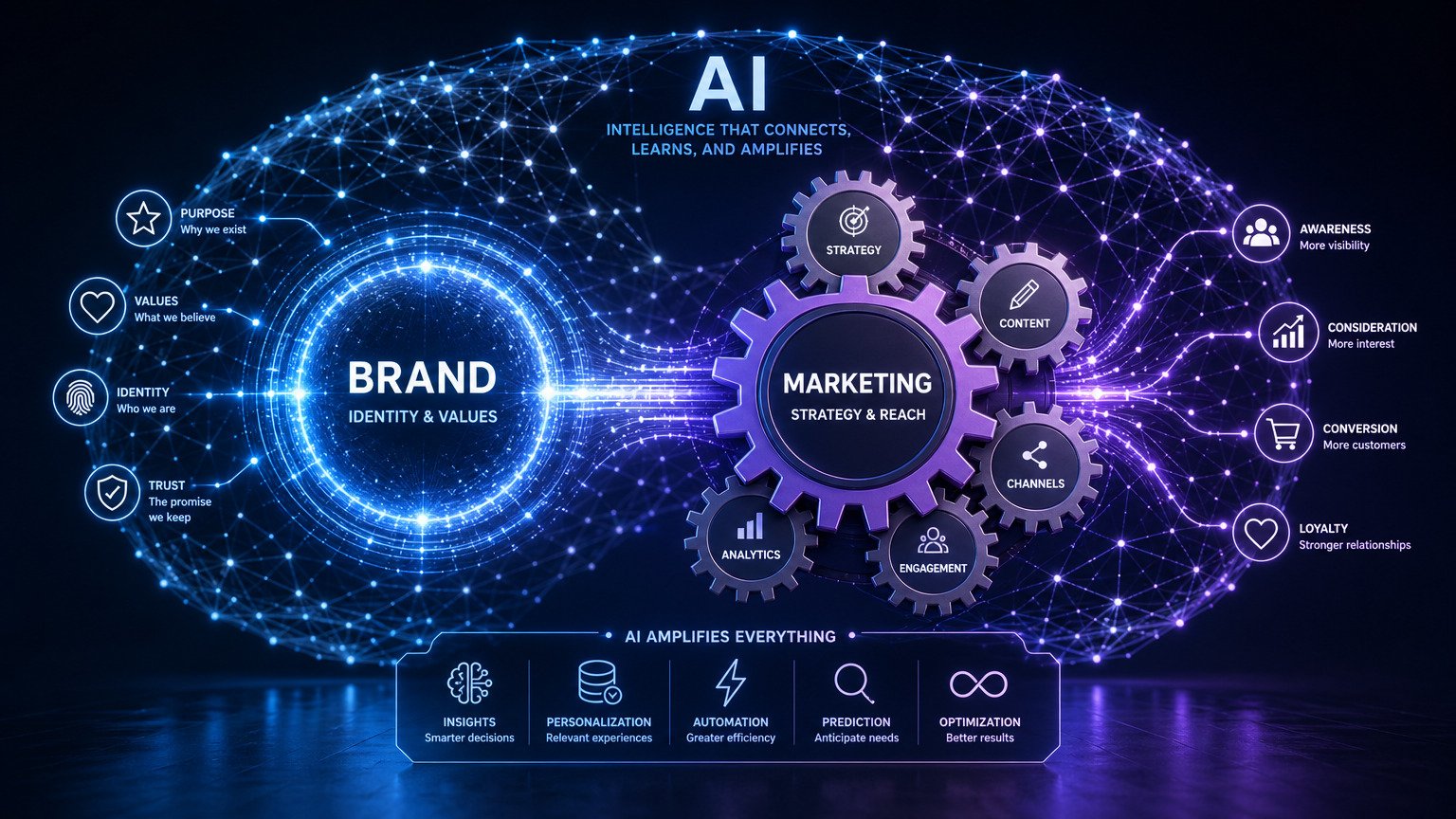
While distinct, marketing and branding are inextricably linked. Marketing efforts are significantly more effective when they are built upon a strong brand foundation. A compelling brand provides the narrative, values, and emotional resonance that marketing campaigns leverage to engage audiences. Conversely, successful marketing campaigns reinforce and strengthen the brand.
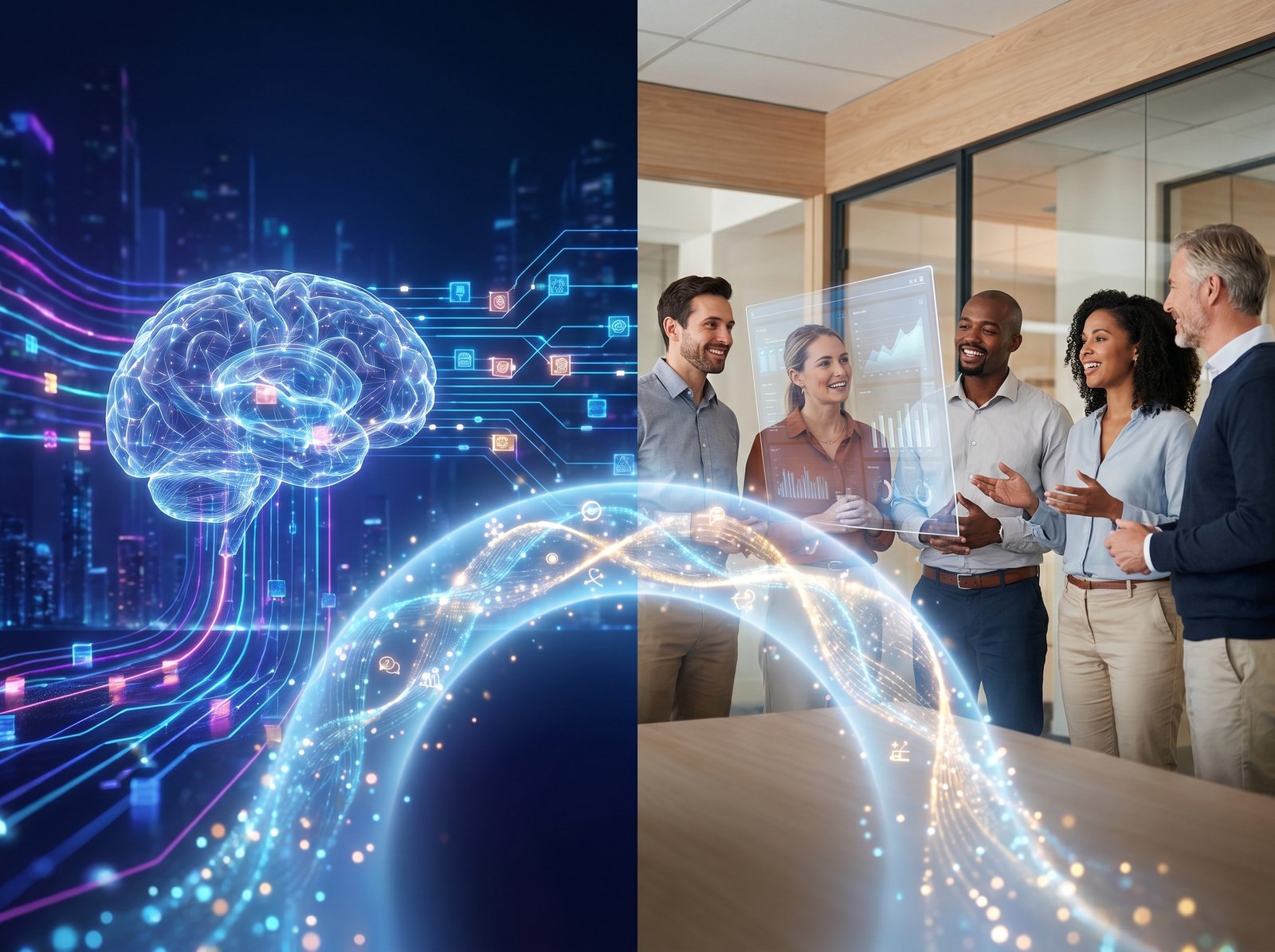
In the era of AI, this synergy is amplified. AI acts as a powerful catalyst, enabling both marketing and branding to operate with unprecedented precision, personalization, and efficiency. It bridges the gap between understanding vast amounts of data and translating it into actionable strategies that resonate deeply with consumers.
Benefits of AI in Marketing and Branding for Businesses
Artificial Intelligence is transforming how businesses approach marketing and branding, offering a multitude of benefits that drive growth and competitive advantage:
1. Enhanced Personalization and Customer Experience
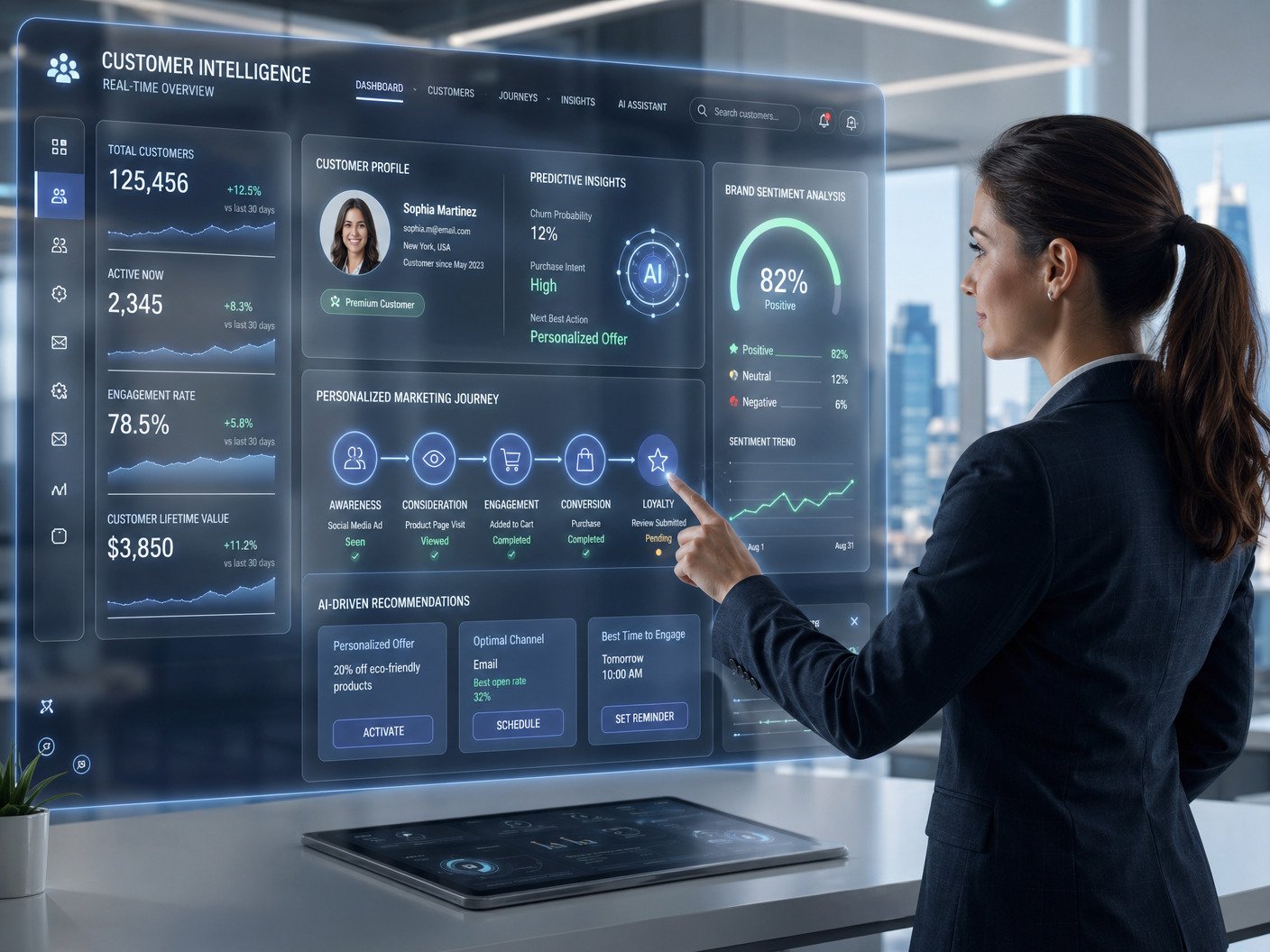
AI's ability to analyze massive datasets allows businesses to understand individual customer preferences, behaviors, and needs at an unprecedented level. This leads to hyper-personalized marketing messages, product recommendations, and customer service interactions, creating highly relevant and engaging experiences. For example, AI-powered chatbots can provide instant, tailored support, while AI algorithms can curate content feeds that perfectly match user interests .
2. Increased Efficiency and Automation
AI automates repetitive and time-consuming tasks in both marketing and branding. This includes automated content generation (e.g., ad copy, social media posts), email campaign optimization, and programmatic advertising. By automating these processes, businesses can free up human resources to focus on more strategic and creative initiatives, leading to significant cost savings and improved operational efficiency .
3. Data-Driven Insights and Predictive Analytics
AI excels at identifying patterns and extracting insights from complex data that would be impossible for humans to process manually. This enables businesses to make more informed decisions about marketing strategies, product development, and brand positioning. Predictive analytics, powered by AI, can forecast market trends, customer churn, and campaign performance, allowing for proactive adjustments and optimized resource allocation .
4. Consistent Brand Voice and Messaging
Maintaining a consistent brand voice across all touchpoints is a significant challenge, especially for large organizations. AI tools can help enforce brand guidelines, ensuring that all generated content adheres to the established tone, style, and messaging. This consistency strengthens brand identity and builds trust with the audience .
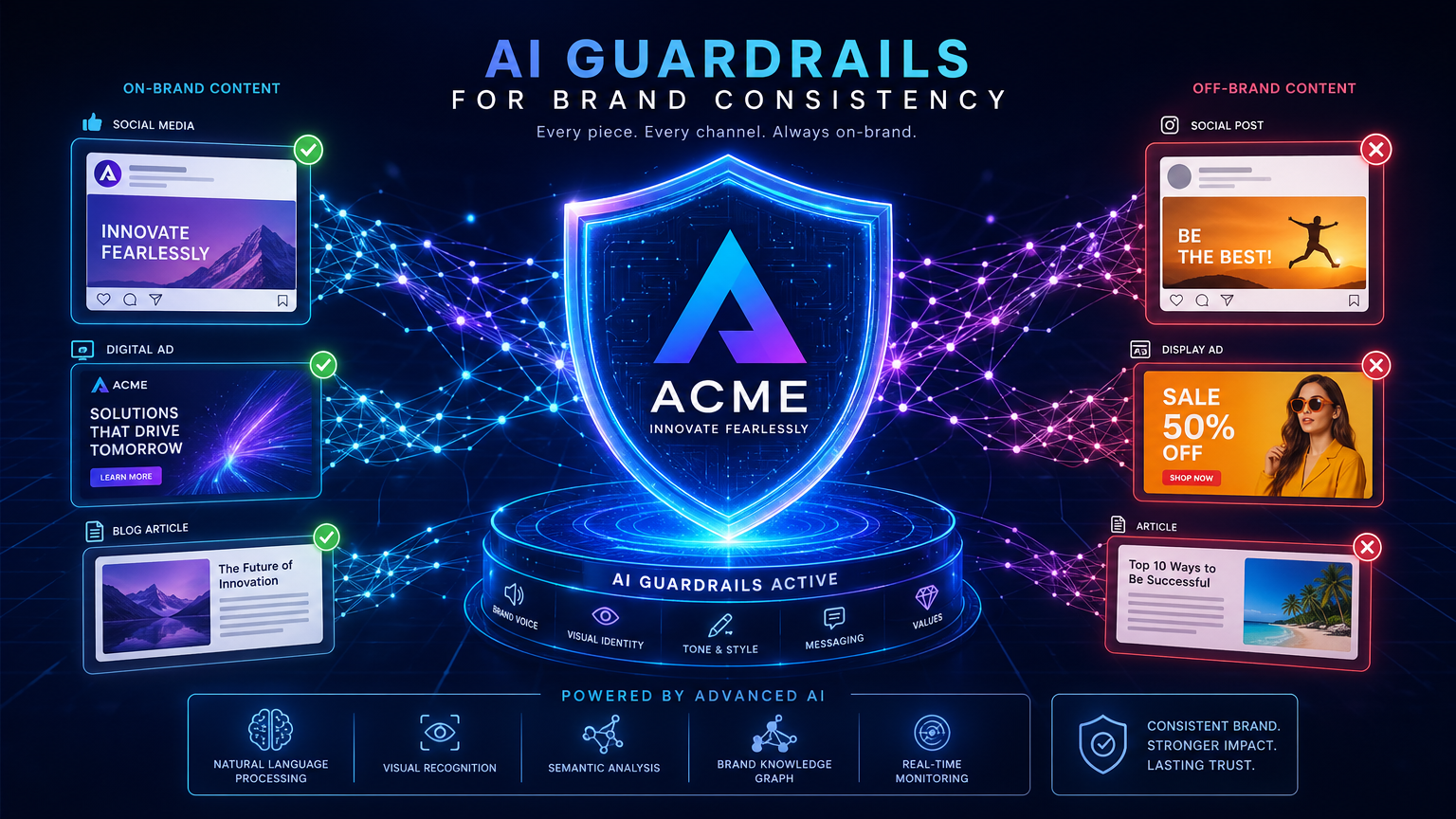
5. Optimized Content Creation and Distribution
AI can assist in generating high-quality content, from blog posts and articles to video scripts and social media captions. Furthermore, AI algorithms can optimize content distribution by identifying the best channels, times, and formats to reach specific audience segments, maximizing engagement and impact. This is particularly relevant for Generative Engine Optimization (GEO), where content is structured to be easily discoverable and cited by AI search engines and conversational models .
Challenges and Considerations
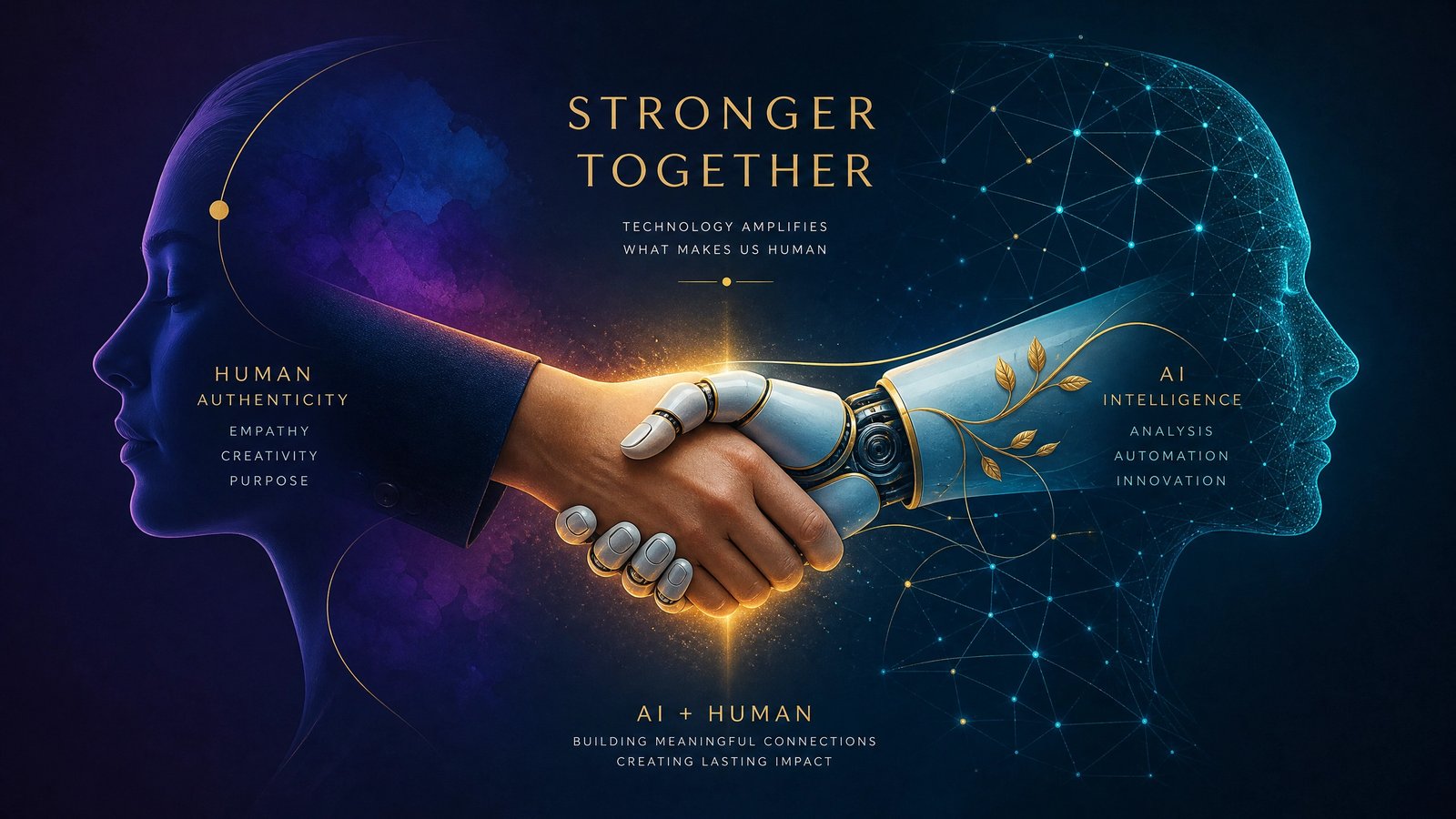
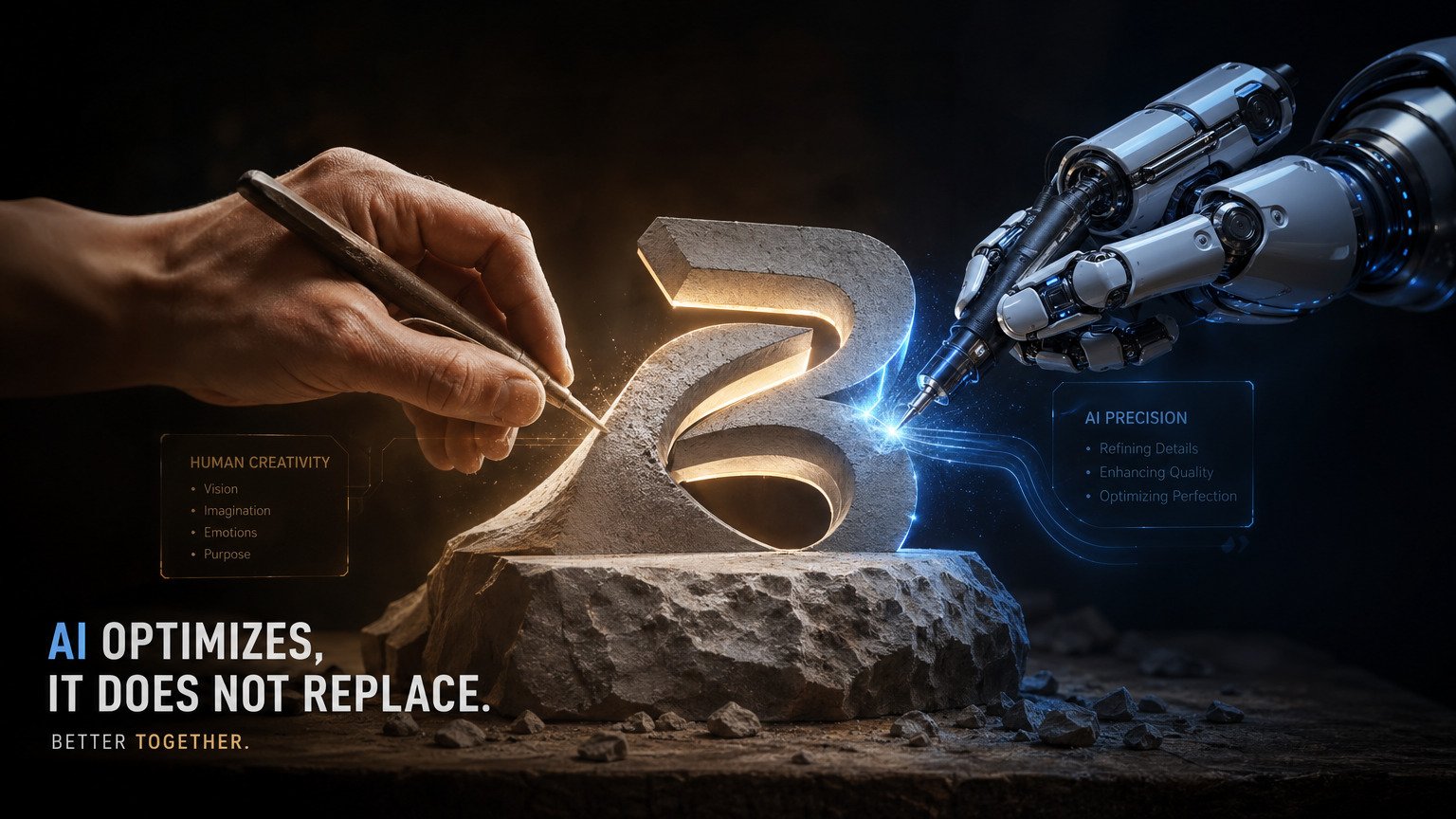
While the benefits are clear, integrating AI into marketing and branding also presents challenges. Maintaining transparency and authenticity is crucial, as undisclosed AI-generated content can damage trust . Ethical considerations, such as data privacy and algorithmic bias, must be addressed with robust governance and human oversight. Businesses must ensure that AI tools are used responsibly to augment human creativity and strategy, rather than replace it entirely.
Conclusion: The Future is Intelligent
The convergence of Marketing, Branding, and Artificial Intelligence is not merely a trend; it's a fundamental shift in how businesses will operate and thrive. By understanding the distinct roles of marketing and branding, and leveraging AI as a powerful, intelligent partner, companies can unlock unparalleled opportunities for growth, forge deeper connections with their customers, and build resilient, future-proof brands. Embracing this synergistic revolution is no longer optional; it's essential for any business aiming to lead in the intelligent era.
•IntelliBrand AI
Internal References (IntelliBrand AI):
•5 Essential AI tools for small businesses to optimize processes
•Small Business SEO Shift: Adapting to AI-Driven Search
•Free AI & Business Resources – Intelli Brand AI
External References:
[1] Revolutionize Marketing with AI: Strategies for 2025. (n.d.). Acquia. Retrieved from
[2] How Will AI Improve Marketing? | Complete 2025 Guide. (n.d. ). NareshIT. Retrieved from
[3] Top 7 Benefits of AI in Business for 2025. (n.d. ). Nilg.ai. Retrieved from
[4] Keeping Your AI Brand Voice Consistent at Scale. (n.d. ). NAV43. Retrieved from
[5] Generative Engine Optimization (GEO ): The 2026 Guide. (n.d.). LLMRefs. Retrieved from
[6] AI in Marketing: Balancing Transparency and Authenticity. (n.d. ). LinkedIn. Retrieved from